
With an area of 1,633 square kilometers, Lesbos is Greece's third-largest island after Crete and Euboea. According to the 2021 census, 83,755 people live on the island. Of these, 41,379 are concentrated in the municipal unit that includes the city of Mytilene, on the island's east coast. An administrative reform in 2019 divided the island into two municipalities. The Municipality of Mytilene, with a population of 59,034, covers the east and south of the island, while the Municipality of West Lesbos, with a population of 24,721 and its seat in Kalloni, covers the west and north.
In the first article in this series, I considered the North Aegean islands as a whole, briefly discussing Lesbos's olive oil economy, the refugees who arrived in 1922, and the migration wave of 2015. In the articles that follow, I will examine the islands individually. This article, beginning with Lesbos, explores the island town by town. There are marked differences between the east and west of Lesbos, and between its mountain villages and coastal towns, in livelihoods, religious practices, political traditions, and recent history.
Historical Background
In 1355, the island passed to the Genoese Gattilusio family as the dowry of the Byzantine emperor's sister. The family ruled the island for more than a century, strengthening the castles of Mytilene and Molyvos. Having survived by paying tribute to the Ottomans after the conquest of Constantinople, Gattilusio rule ended when Mehmed the Conqueror took the island in September 1462. After the conquest, some of the island's wealthy families were transferred to Istanbul, and Muslim settlers were brought in from Rumelia and Anatolia. Mehmed encouraged his soldiers to settle on the island and marry local women. Among those soldiers was Yakup Ağa, father of the Barbarossa brothers. Hızır Reis, also known as Hayreddin Barbarossa, would later have a madrasa, a Sufi lodge, and a public soup kitchen built in his birthplace.
During the Ottoman period, the island was known as the Midilli Sanjak, after its capital, and Mytilene and Molova (Molyvos) were seats of qadis. The great majority of the population remained Greek Orthodox. Nevertheless, a substantial Muslim community also developed on the island through immigration and conversion. Muslim households accounted for 7.4 percent of the total in 1488, peaked at 19.45 percent in 1831, and declined to 14 percent in 1892. Relations between the two communities were generally good, and a significant proportion of islanders spoke both Greek and Turkish.
From the eighteenth century onward, Mytilene became one of the busiest Ottoman ports in the Aegean. The city's population increased fivefold during the Ottoman period. Wealth was concentrated largely in the hands of the Greek bourgeoisie. This prosperity is cited as one of the reasons the island did not join the uprising of 1821. The earthquake of 1867 destroyed much of the city's early Ottoman architecture and fortifications. Namık Kemal served in the island's administration between 1877 and 1884.
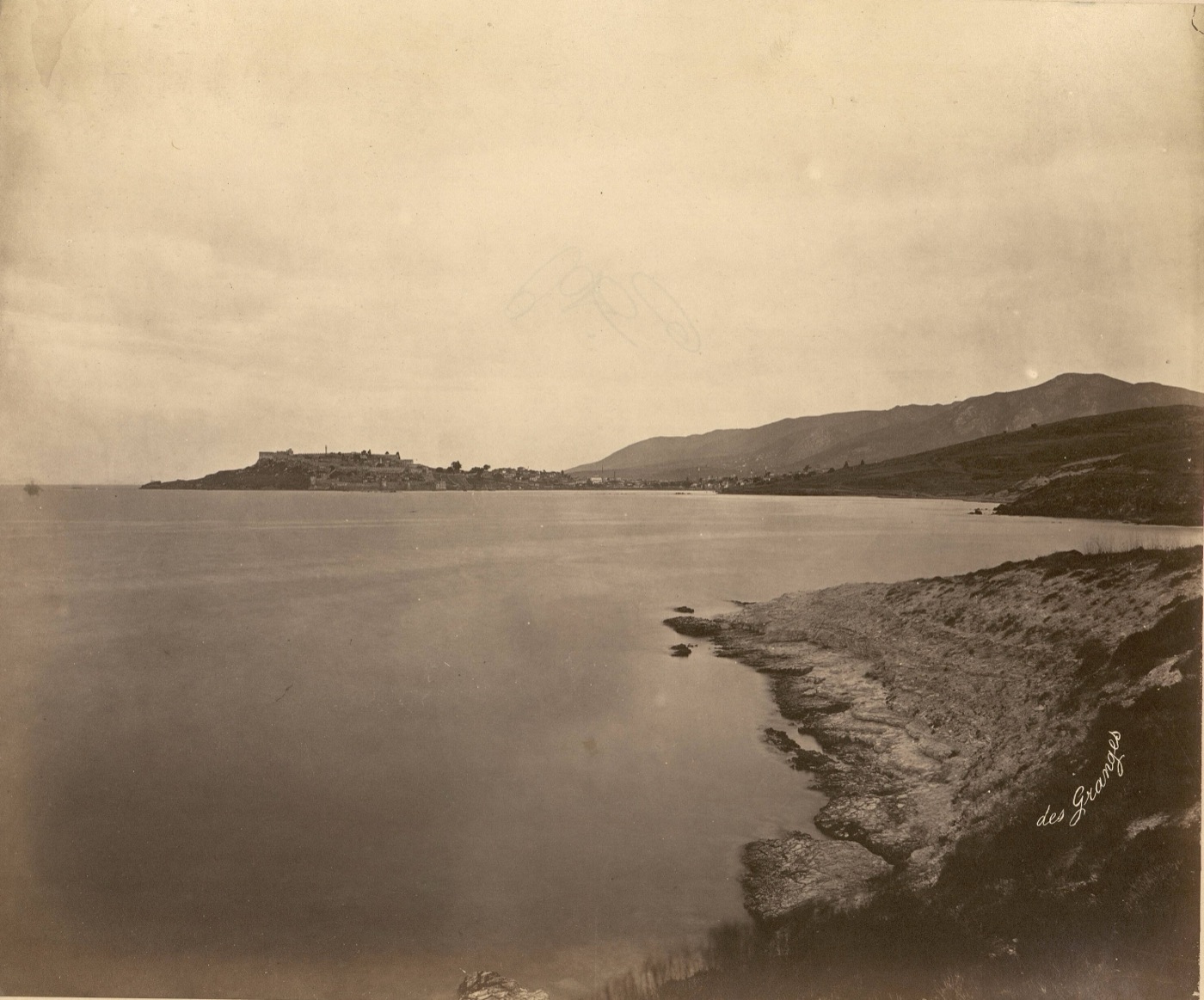
The Greek navy, commanded by Admiral Pavlos Kountouriotis, arrived off Mytilene in November 1912. The date was November 8 in the Julian calendar and November 21 in the Gregorian calendar. The Ottoman authorities surrendered the city and withdrew inland; the Ottoman troops on the island surrendered a month later, on December 21, 1912. Under the population exchange of 1923, the island's Muslim population departed and Greek refugees from Anatolia settled in their place. The island was occupied by Germany during World War II and liberated on September 10, 1944.
The island's merchant families had already begun turning toward Crete and Piraeus by the late nineteenth century. The closure of the Anatolian market accelerated this shift. The family of Nobel Prize-winning poet Odysseas Elytis is one example. The Alepoudelis family of Lesbos moved its soap and olive oil business to Heraklion in Crete in 1895, and then to Piraeus in 1914. The poet's mother came from the village of Papados in the island's Gera region.
The City of Mytilene
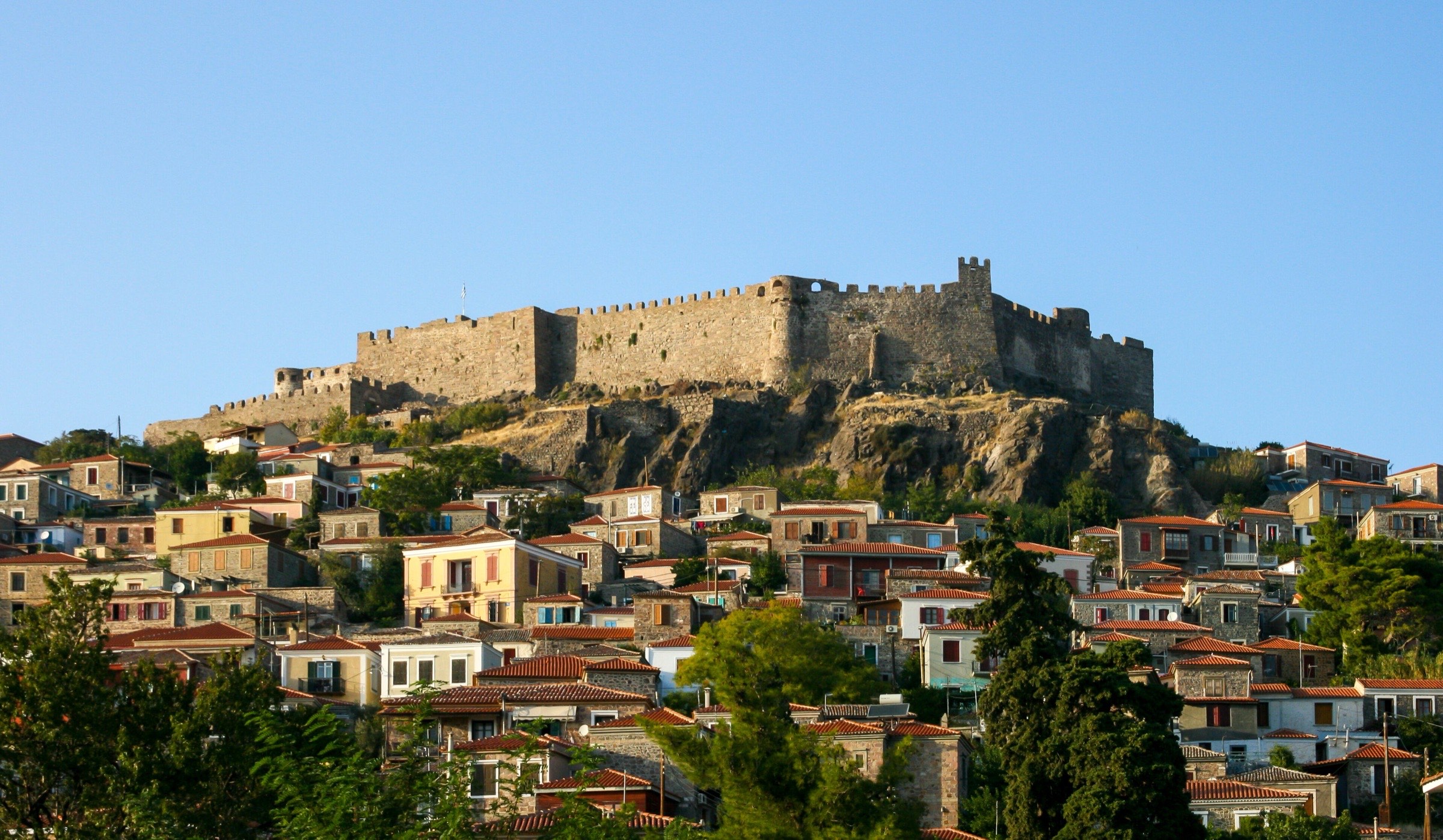
The city of Mytilene (Μυτιλήνη, Mitilini) developed around a castle rising on a hill between two harbors. Considered one of the Mediterranean's great castles, the structure is thought to date in its earliest phase to the sixth century. The castle served as the Gattilusio family's residence and was reinforced with artillery bastions during the reign of Bayezid II, after Prince Korkut repelled the Venetian siege of 1501.
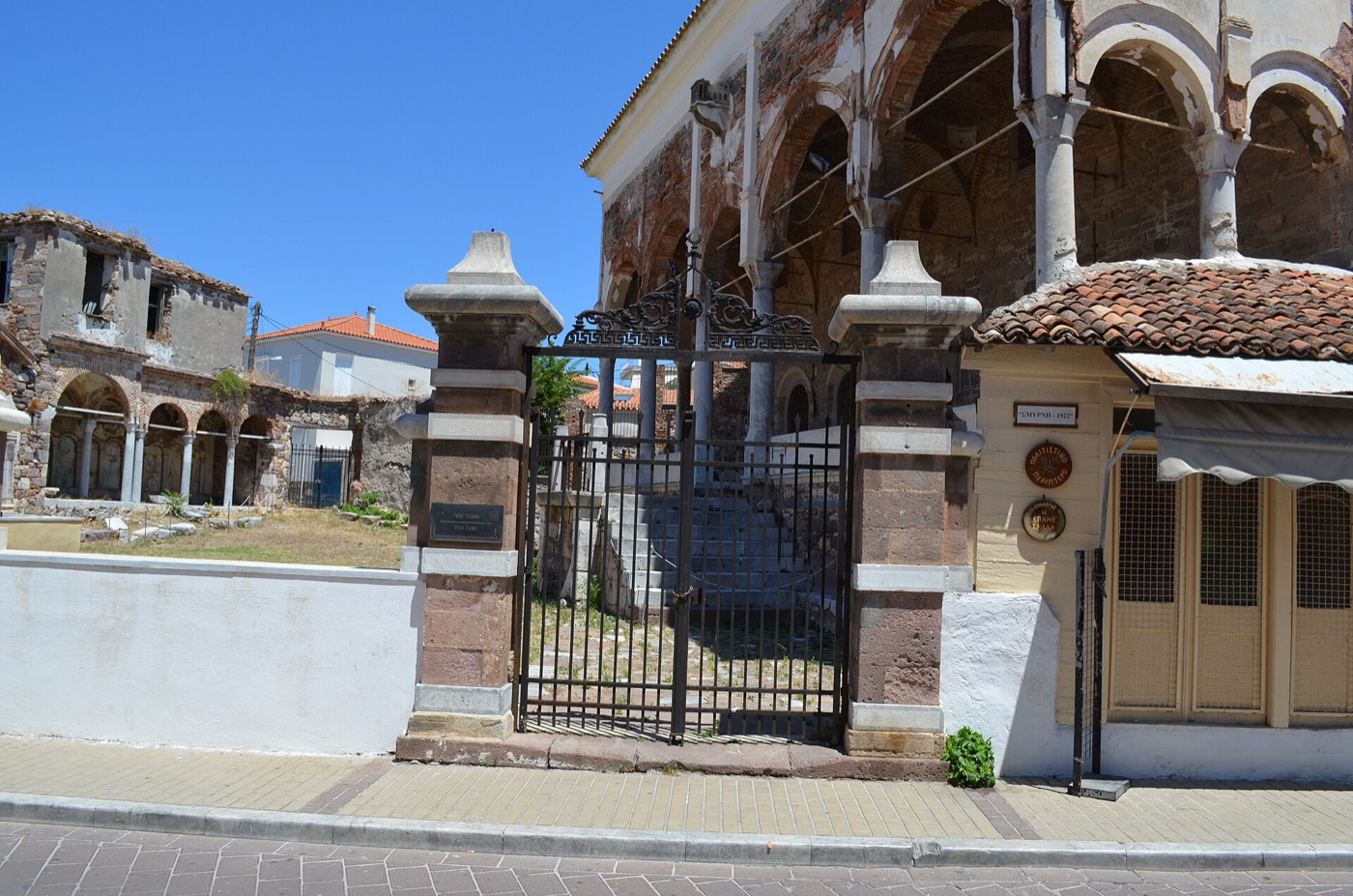
Επάνω Σκάλα (Epano Skala), meaning Upper Landing, in the north of the city, is the old Turkish quarter. The Yeni Cami in the neighborhood's market was commissioned in 1825 by Mustafa Ağa, Mytilene's tax collector and governor. It is the largest and newest of the island's Ottoman mosques. The building was abandoned when the Muslim population departed in 1923, and its roof eventually collapsed. It underwent partial restoration in the early 2000s.
The Varia neighborhood in the south of the city is associated with the island's artistic life. The naive painter Theophilos Hatzimihail grew up in Varia. Tériade (Stratis Eleftheriadis), the publisher from Lesbos who published books by Matisse, Picasso, and Chagall in Paris, established a museum here in 1965 with 86 paintings by Theophilos and donated it to the municipality. The museum-library housing Tériade's own collection is in the same neighborhood.
Today, the city is the island's administrative, commercial, and educational center. It is home to the headquarters of the University of the Aegean (Πανεπιστήμιο Αιγαίου). The island's airport and ferry port are also in the city. The fact that almost half the island's population lives in this municipal unit reflects continuing migration from the countryside to the city.
Agiasos
Agiasos is a mountain town 26 kilometers from Mytilene, built on the slope of Mount Olympus (Olimpos) at an elevation of about 475 meters. An Ottoman-era privilege played a decisive role in its development. An edict issued in 1701 exempted Agiasos from taxation, and residents of neighboring villages moved to the town en masse to benefit from this privilege.
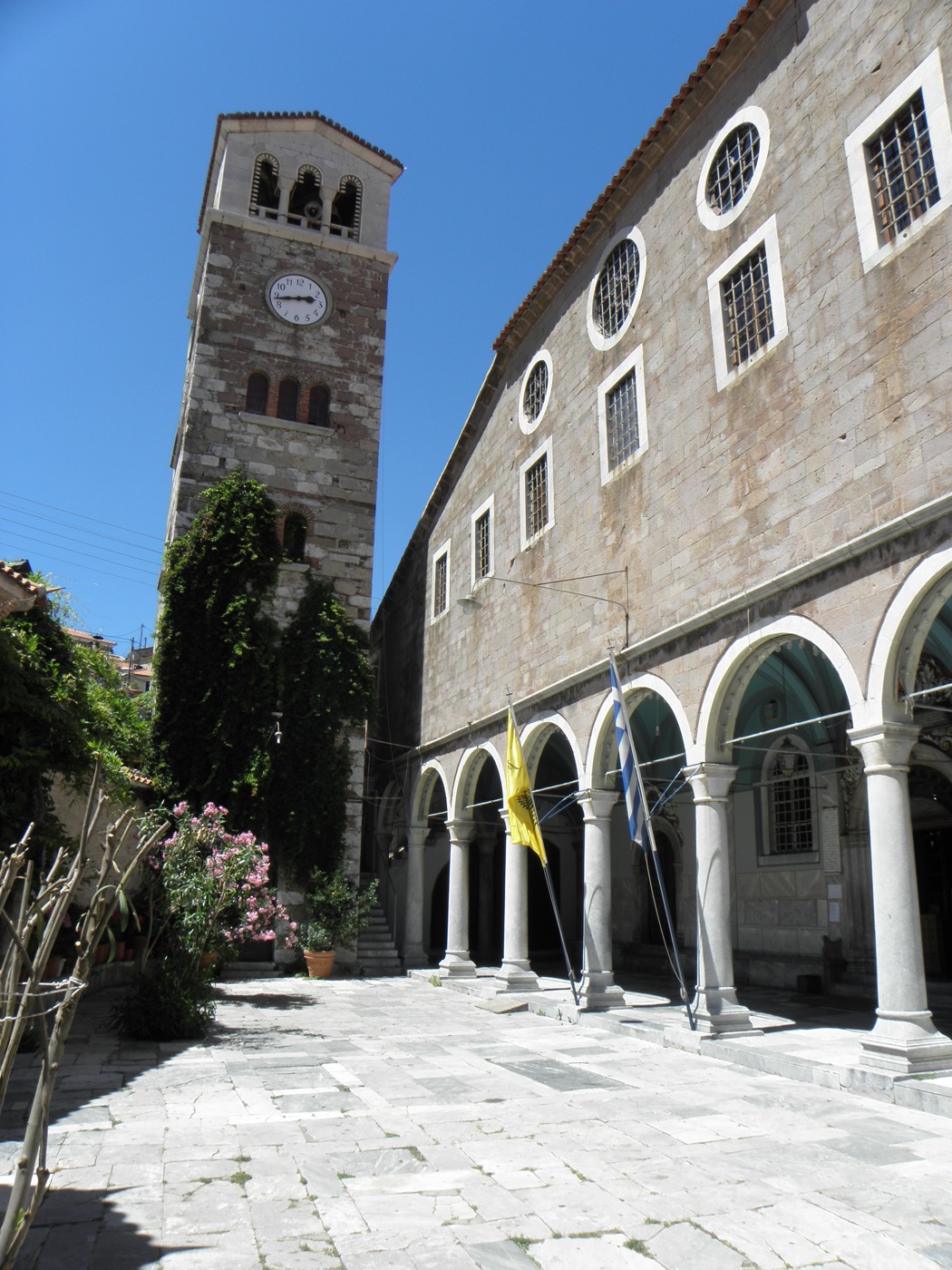
In the center of the town stands the church of Παναγία Βρεφοκρατούσα (Panagia Vrefokratousa), meaning “Mary Holding Her Child.” The church is one of the island's major pilgrimage sites. Every August 15, the icon of the Virgin Mary is carried through the town. Some pilgrims walk the roughly 25-kilometer route from Mytilene to Agiasos. Rent from the shops beneath the church has also historically provided income for the church.
The population history of Agiasos encapsulates the broader story of the island's mountain villages. The town had more than 7,000 inhabitants in 1912. More than 1,000 refugees arrived after 1922, some of whom stayed in the church's guesthouse for 16 years. During the occupation, the leadership and a substantial proportion of the membership of the town's reading room worked with the leftist resistance organization EAM. As a result, the reading room became a target for a large part of the town after the war. In 1956, there was a mass migration from Agiasos to Australia. Alongside economic reasons, local sources cite the psychological pressure placed on many families in the years after the civil war as a cause of this migration. By the 2011 census, the population of Agiasos had fallen to 2,320.
Mandamados
Mandamados, in the northeast of the island, is home to one of Greece's major pilgrimage sites. According to legend, the icon at Ταξιάρχης (Taxiarchis), the Monastery of the Archangel Michael outside the town, was made from earth soaked with the blood of monks killed in a raid. Some versions of the legend associate the raid with pirate attacks in the ninth and tenth centuries, while others link it to the conquest of 1462. The first document attesting to the monastery's existence, however, dates to 1661. Pilgrims leave small metal shoes for the icon. According to popular belief, the archangel wears out his shoes by traveling around the island at night.
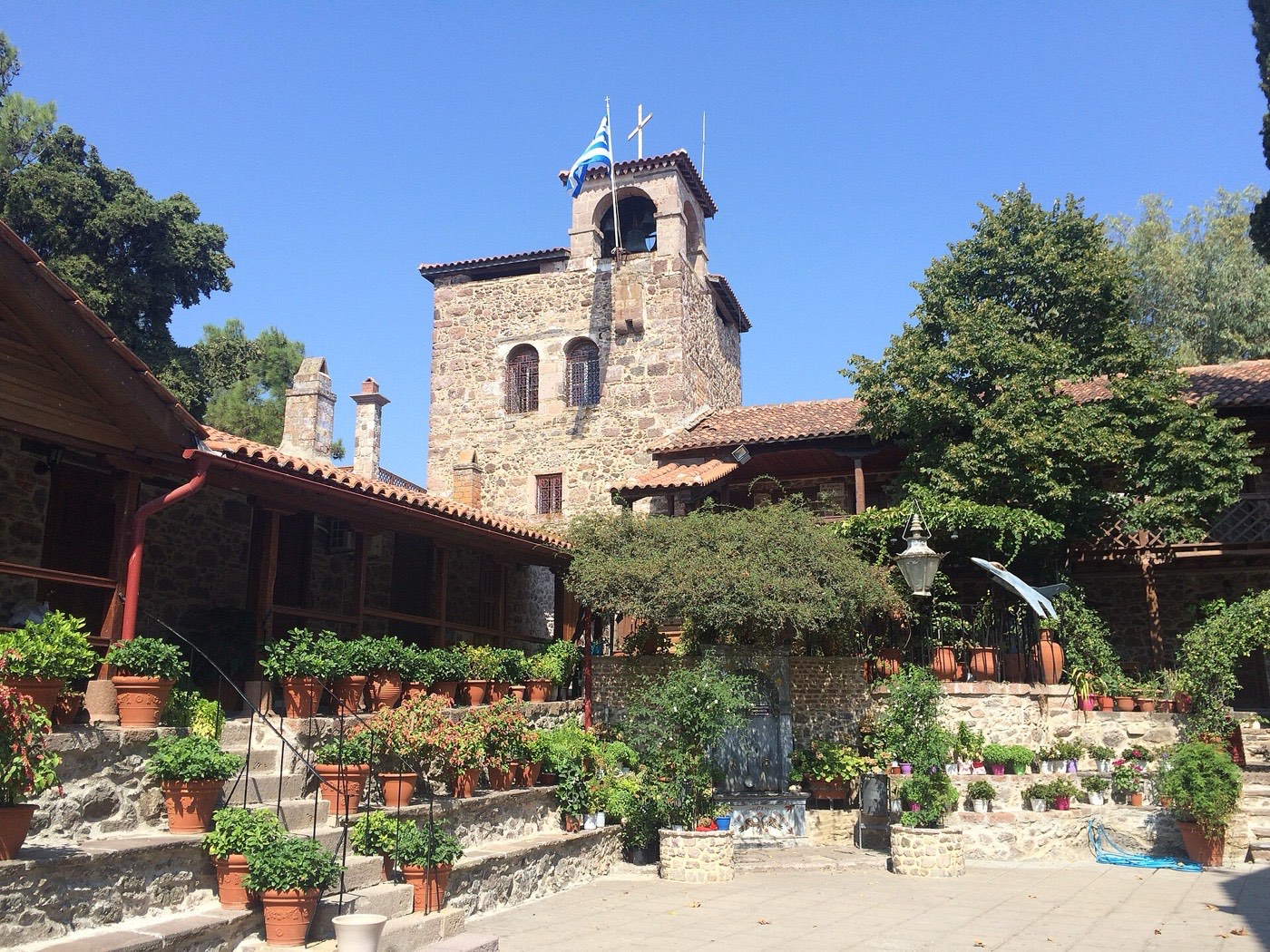
Mandamados is also one of the island's livestock-raising areas. The island's cheese preserved in olive oil, λαδοτύρι (ladotyri), is among the region's products. The town's political history is also noteworthy. Until 2000, Mandamados was one of the few places to elect mayors from the Communist Party of Greece (KKE). Today's municipal unit includes Mandamados, which had 2,070 inhabitants according to the 2021 census, and the villages of Kapi, Klio, and Pelopi. The first case of the foot-and-mouth disease outbreak that struck the island in 2026 was also identified on a cattle farm in Pelopi.
Molyvos, Petra, and Skala Sykamias
Molyvos (Μόλυβος), on the island's north coast, known in antiquity as Mithymna, has been a rival of Mytilene since ancient times. Unlike Mytilene, which revolted against Athens, Mithymna sided with Athens in 428 BCE and became the only town on Lesbos whose lands were not distributed to Athenian settlers after the revolt was suppressed. During the Ottoman period, it was the island's second town and a seat of a qadi under the name Molova. Muslims accounted for more than half its population in 1874. Molyvos shrank rapidly in the nineteenth century, and this decline continued in the twentieth. After it came under Greek administration, the town's official name was restored to Mithymna, but residents still call it Molyvos. In 2021, the town had 1,335 inhabitants.
In the past, the people of Molyvos processed olives in winter, while in summer the town's captains carried the island's olive oil to Mediterranean ports. Today, the town is one of the island's main tourism centers. It was consequently among the places most affected by the migration crisis of 2015. According to the Molyvos Tourism Association, the number of European visitors to the town fell from 75,613 in 2015 to 43,756 in 2017. The refugee writer Ilias Venezis, who came from Ayvalık, also settled in Molyvos in 1922.
Petra, six kilometers south of Molyvos, takes its name from the rock in the center of the village. In 1983, the village's women established Greece's first agritourism cooperative here.
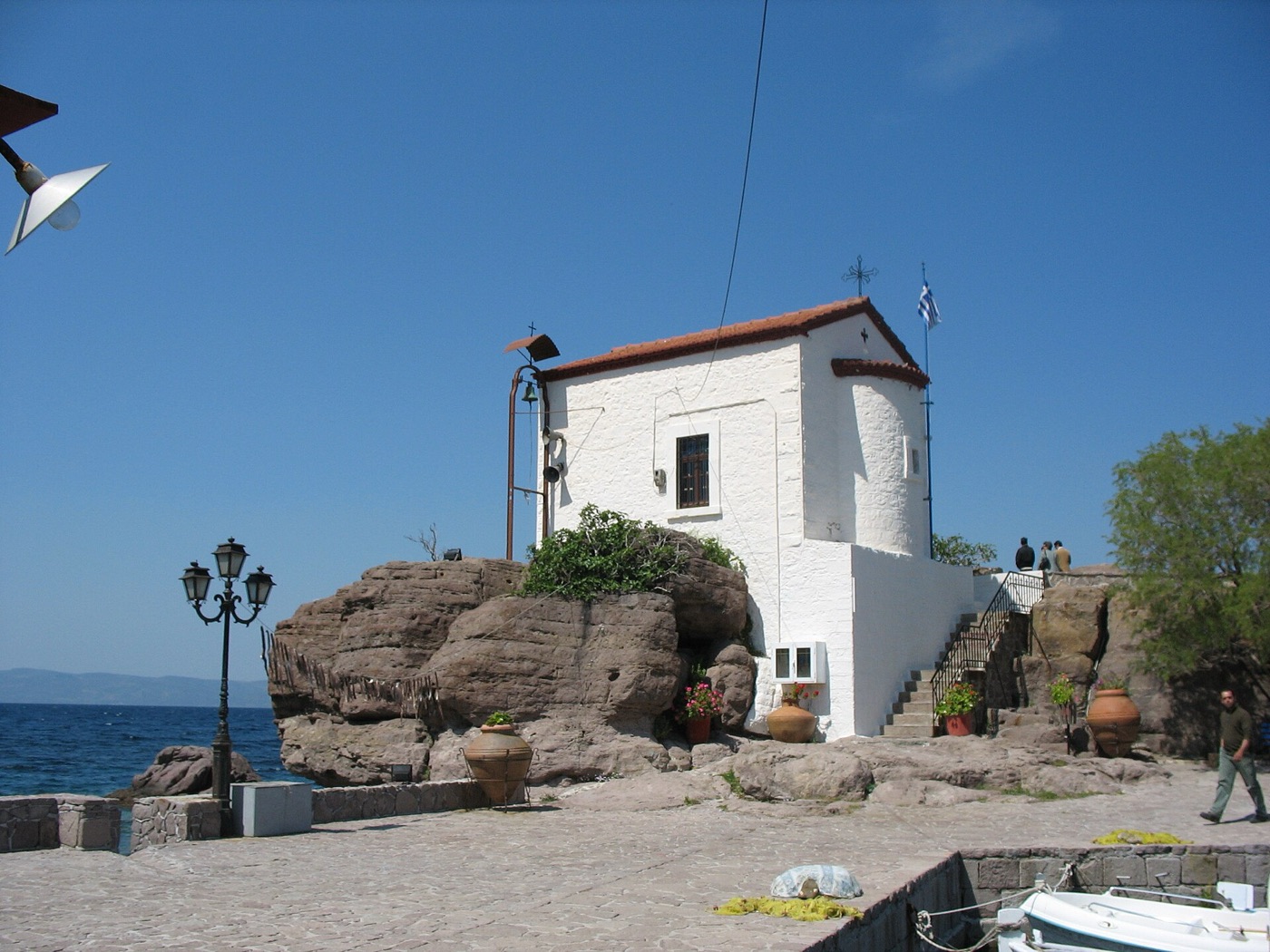
Skala Sykamias, at the eastern end of the north coast, is a small fishing harbor. The writer Stratis Myrivilis was born in 1890 in the village of Sykamia just above it. Myrivilis's novel Παναγιά η Γοργόνα (Panagia i Gorgona), meaning “Mary the Mermaid,” published in the late 1940s, tells the story of refugees who fled Anatolia in 1922 and settled in Skala. The novel takes its name from the small church in the harbor. On the church wall was a fresco depicting the Virgin Mary with a mermaid's tail. In 2015, the same harbor became the first stop for more than 200,000 people trying to reach Europe.
Kalloni and Agia Paraskevi
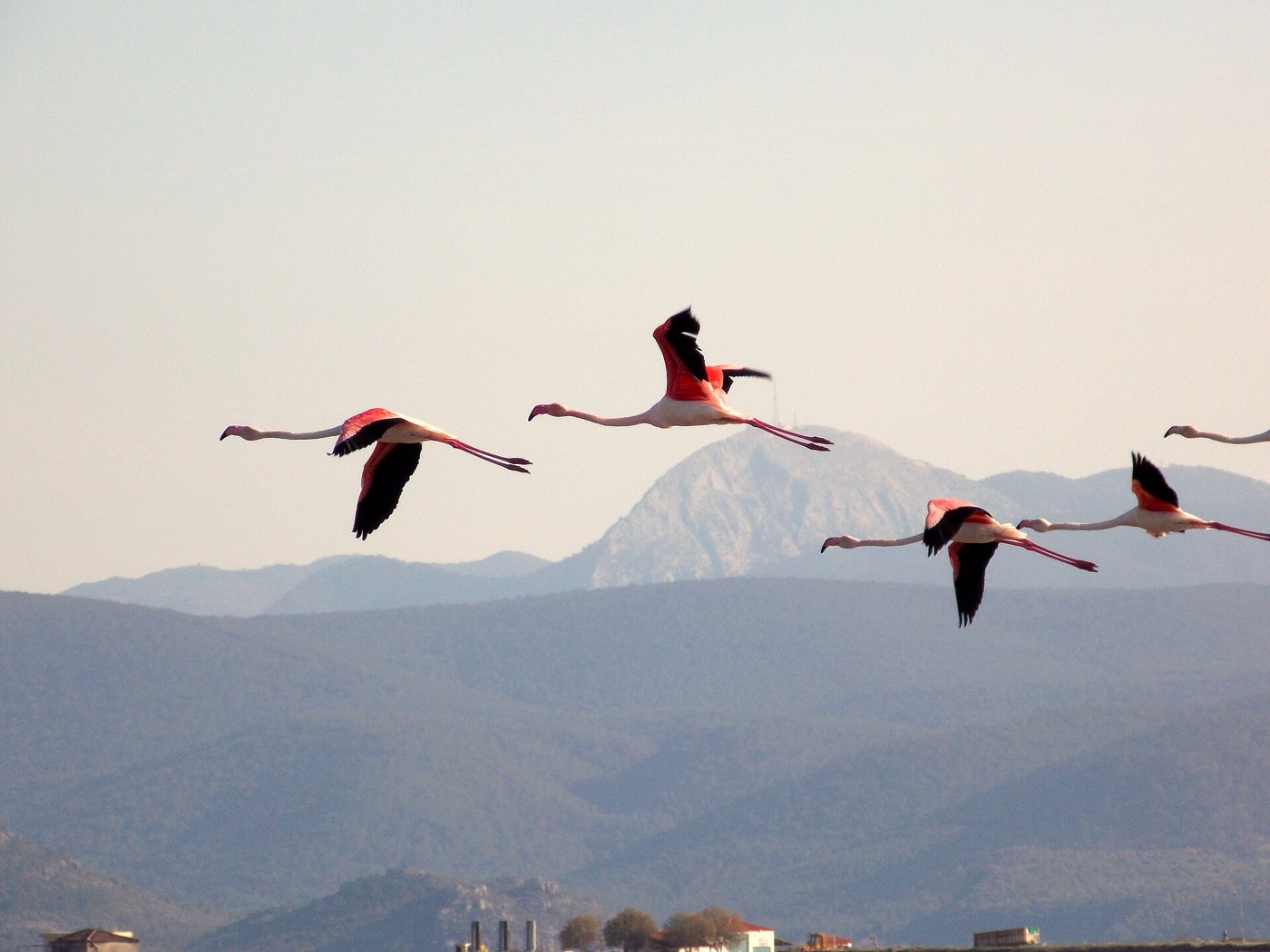
Kalloni, in the middle of the island, has been the seat of the Municipality of West Lesbos since 2019. Known during the Ottoman period as Kalonya, it was the center of a subdistrict within the district of Molova and lies in the middle of a plain of about 100 square kilometers watered by six streams. The municipal unit had a population of 7,762 in 2021. The Gulf of Kalloni is a shallow, productive wetland. It is known for its flamingos and famous sardines. A sardine festival is held in Skala Kallonis in July. Aristotle is generally considered to have begun his systematic zoological observations on the shores of this gulf, at the ancient lagoon of Pyrrha.
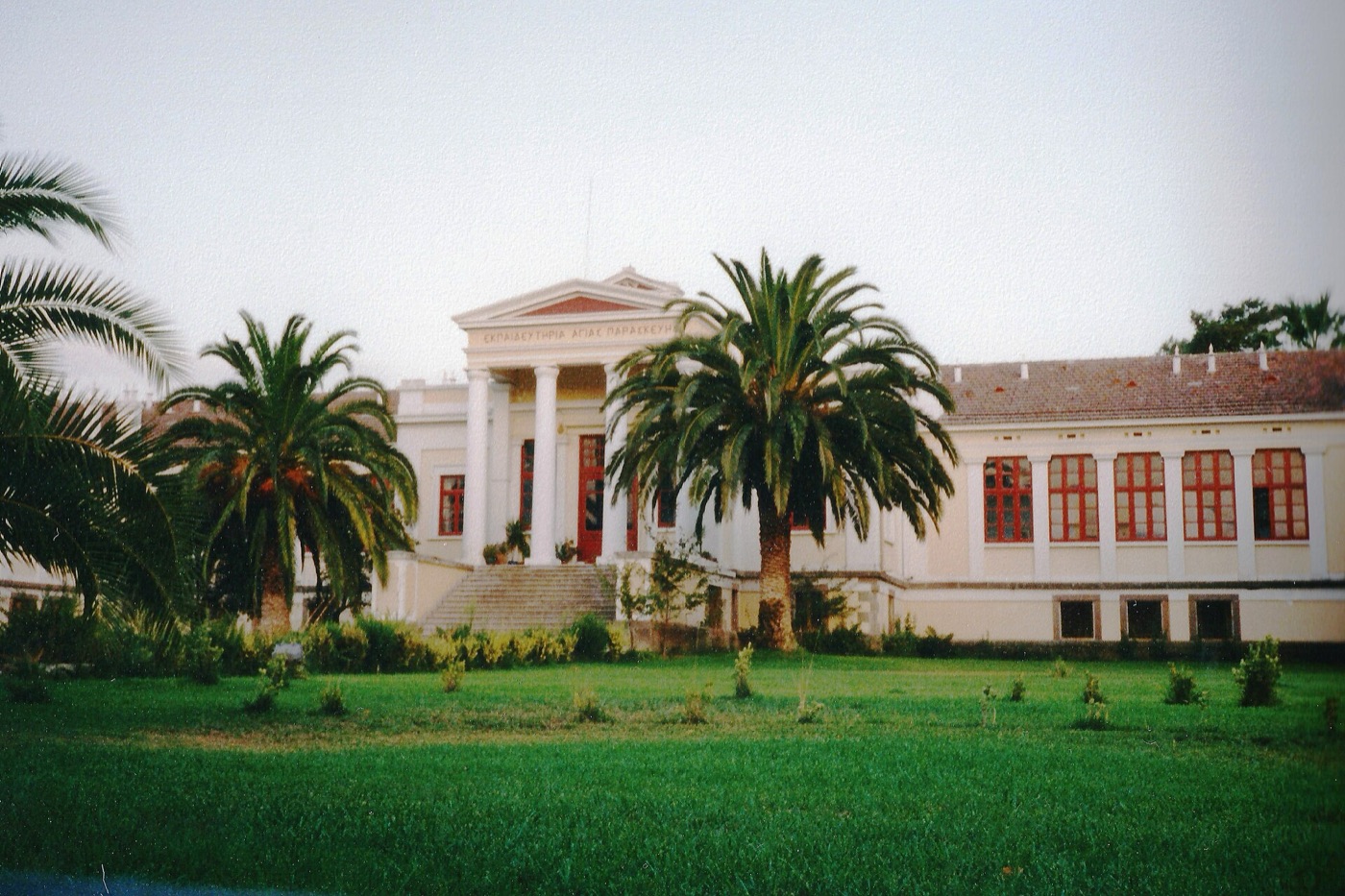
Agia Paraskevi, on the northeastern shore of the gulf, is known on the island as “Little Paris” for its mansions and architecture. In the previous article, I discussed the communal olive mill established by villagers in 1910. Revenue from the mill financed the construction of the village's neoclassical school building between 1922 and the 1930s. The mill also operated as a corn mill and remained a communal village enterprise until 1967. The building was restored and converted into a cultural center in 1984, and the olive storehouses became guest accommodations.
Agia Paraskevi's best-known tradition is Ταύρος (Tavros), the Bull Festival. At the church of Agios Charalambos on Mount Tavros outside the village, a bull decorated with flowers is blessed by the priest and sacrificed. The festival continues with horse races and folk dancing. Sources state that the ceremony has been held in its present Christian form since the mid-eighteenth century. Similar horse races also continue during the summer festivals in Kalloni and Plomari.
Plomari, Polichnitos, and Vrisa
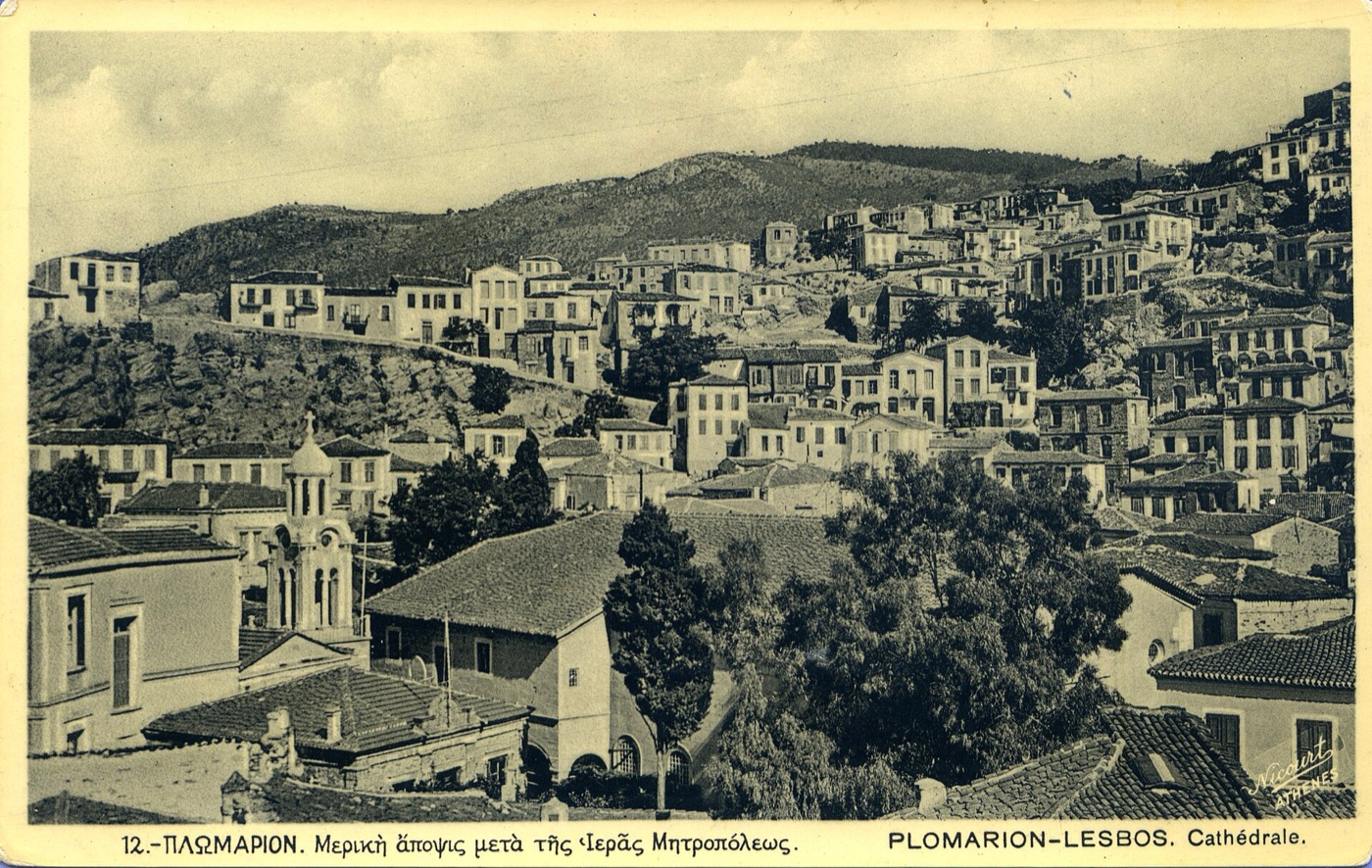
Plomari is the only large settlement on the island's south coast and its most populous town after Mytilene. In 2021, the town had 2,756 inhabitants. Plomari's name has become synonymous with ouzo. After gaining distilling experience in Odesa, Efstathios Varvayannis arrived in the town in 1860 and established his own distillery; Isidoros Arvanitis, a native of Plomari, founded his company in 1894, and it now exports to more than 40 countries. Alongside ouzo production, soap factories and shipyards also operated in the town.
The municipal unit of Polichnitos, west of Plomari, covers the island's southern plain and has a population of 3,438. The area is known for its hot springs. Vrisa, one of the unit's villages, became the focal point of the greatest natural disaster in the island's recent history. On June 12, 2017, a magnitude 6.3 earthquake offshore to the south of Plomari killed one person and injured ten on the island. Vrisa suffered the greatest damage. About 80 percent of the village's buildings were severely damaged. Most of the damage occurred in old masonry structures built with rounded river stones. Most villagers were unable to return to their homes, and Vrisa remained an empty village for a long time.
Eresos, Sigri, and Antissa
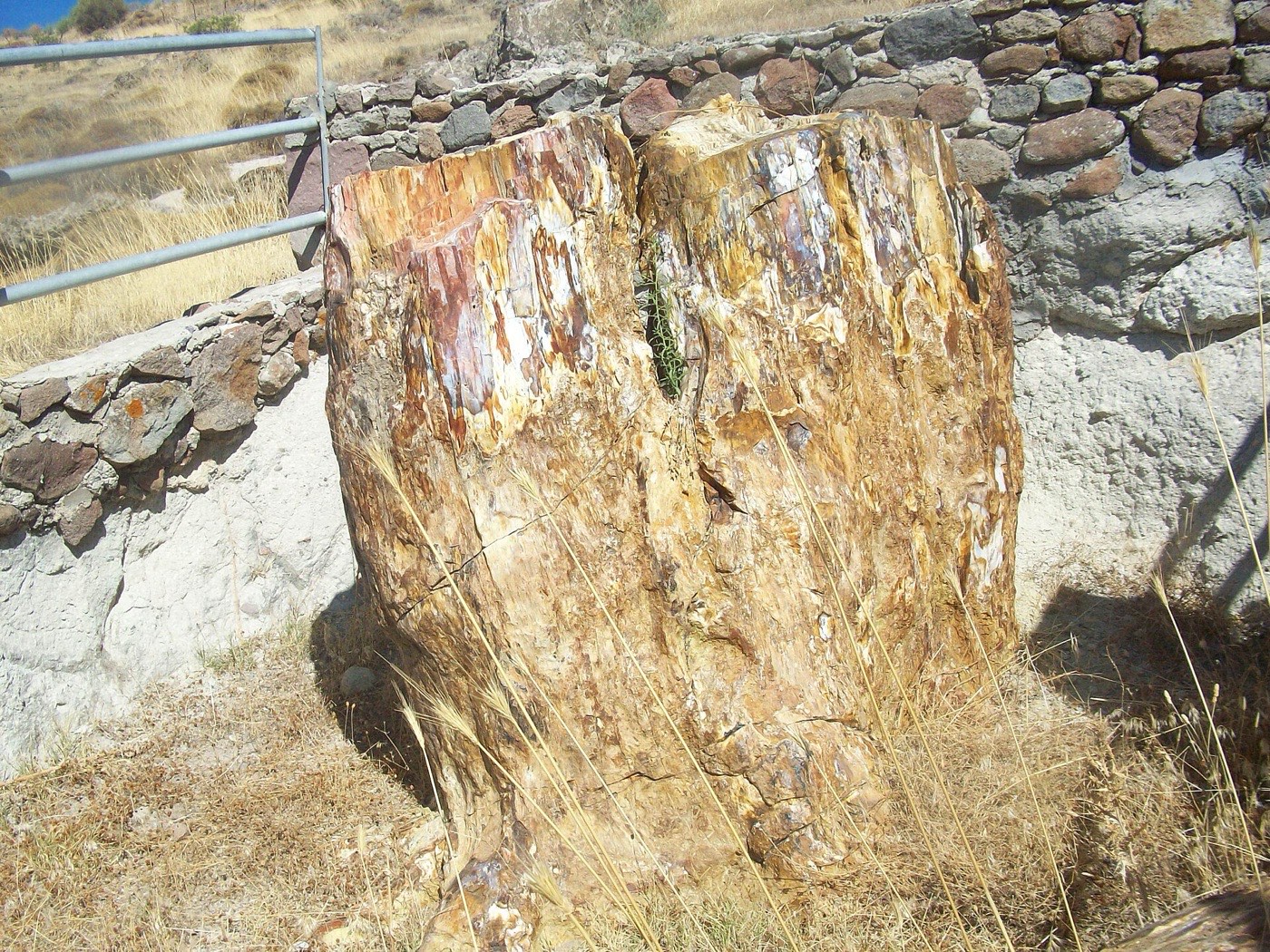
The west of the island is markedly different from the east. While the east is green and covered in olive groves, the west is volcanic and bare. Trees buried by volcanic activity about 20 million years ago now stand petrified across a broad area between Sigri (Sığrı), Eresos, and Antissa. The Natural History Museum in Sigri was established in 1994. The museum is a founding member of the European Geoparks Network. In 2004, UNESCO also recognized its contribution to protecting the petrified forest.
Sigri's recent history also bears the marks of the population exchange. The town's castle was built in the mid-eighteenth century to protect the west coast from pirates. In 1923, its Turkish inhabitants departed, and refugees from Tuzla (Huhlia in Greek), Paşalimanı in the Sea of Marmara, Bozcaada, and Foça settled in their place. These families continued their seafaring and fishing traditions, and the town's small merchant ships operated in the Aegean until World War II. In the 1950s and 1960s, people migrated from the town to Athens, Australia, the United States, and Canada. Sigri had 402 inhabitants in 2021.
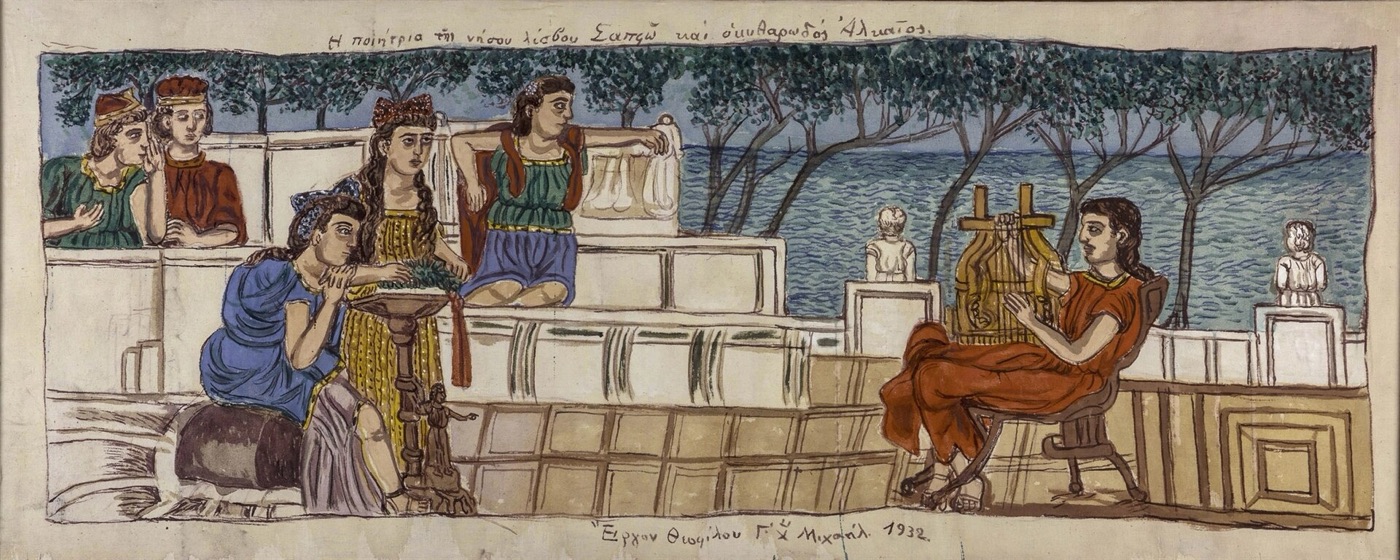
Eresos, to the south, is associated with two famous figures. The poet Sappho is thought to have been born here around 620 BCE. Theophrastus, Aristotle's student and generally regarded as the founder of botany, also came from Eresos. Because of Sappho's poetry, the word “lesbian” derives from the island's name. Skala Eresou, the coastal village of Eresos, has been a favored holiday destination for lesbian women since the 1980s, and a women's festival is held here every September. This has at times also led to tensions with local residents. In 2008, three islanders sued a gay association for using the word “lesbian” in its name; the court in Athens dismissed the case. The 2024 documentary “Lesvia,” by Lesbos-born director Tzeli Hadjidimitriou, recounts this forty-year relationship.
Antissa, between Eresos and Sigri, was one of the island's five cities in antiquity. According to legend, the severed head and lyre of Orpheus washed ashore in the territory of Antissa. Today, with 4,259 inhabitants, the municipal unit of Eresos-Antissa is one of the island's largest in area and most sparsely populated.
Migration and the Islanders
Lesbos's close relationship with migration began before 2015. Efstratios Dimou, the priest of the church of Agios Georgios in Kalloni, known on the island as Papa Stratis, began providing food, clothing, and shelter to migrants arriving on the island's northern shores in 2007. In 2009, this voluntary effort became an association called Αγκαλιά (Agkalia), meaning “Embrace.” The association operated through donations from islanders and the work of volunteers, and also helped local residents affected by the economic crisis. Papa Stratis had been living with an oxygen cylinder for years because of a respiratory illness. He would say that in those who came to their door, they saw neither race, nationality, nor religion, only human beings. In the period beginning in May 2015 alone, the association helped about 17,000 people. The UN Refugee Agency referred to him as the “Good Samaritan.” Papa Stratis died at the age of 57 in early September 2015, during the most intense days of the migration wave. Agkalia received the Council of Europe's Raoul Wallenberg Prize in 2016.
In 2015, the island became the main gateway for migration toward Europe. The fishers of Skala Sykamias pulled people from the sea, and the village's elderly women welcomed families arriving on shore. For this reason, the islanders of Lesbos were nominated for the Nobel Peace Prize in 2016. Pope Francis also visited the Moria camp on April 16, 2016, together with Patriarch Bartholomew and Archbishop Ieronymos of Athens; on his return, he took 12 people from three Syrian families to Rome.
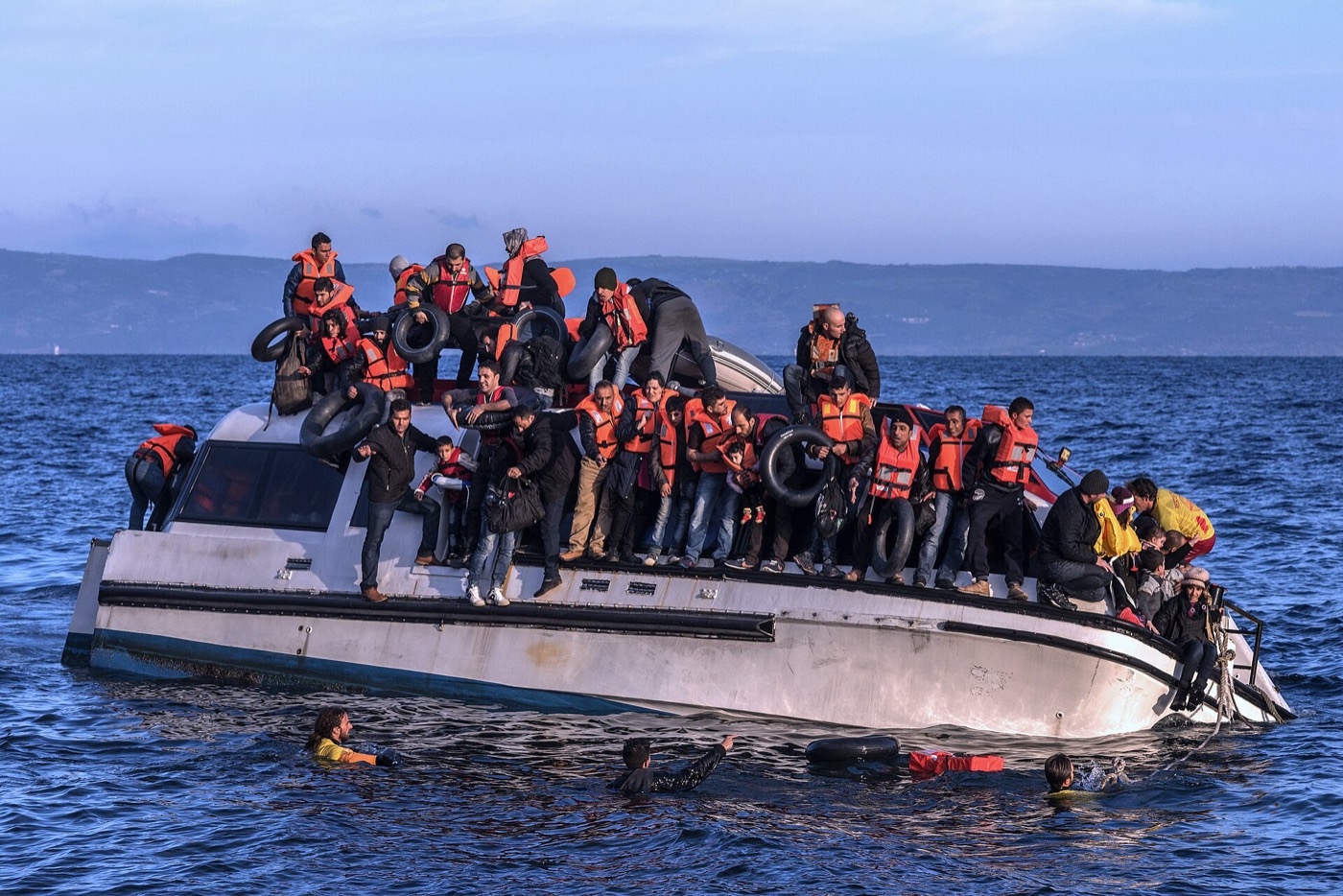
Yet the picture on the island soon changed. After the EU–Türkiye agreement of March 18, 2016, a policy was introduced requiring asylum seekers arriving on the islands to remain there until their applications were decided. As a result, the population of the Moria camp, designed for about 3,000 people, kept growing and approached 20,000 in early 2020. The camp spilled into the surrounding olive grove, and this makeshift area became known as the “Moria jungle.” According to sources, about 5,000 olive trees were cut down for fuel in this area. Residents of Moria village complained of increasing theft and damage to property. In 2018, the island coordinator for Doctors Without Borders described it as “the world's worst refugee camp.”
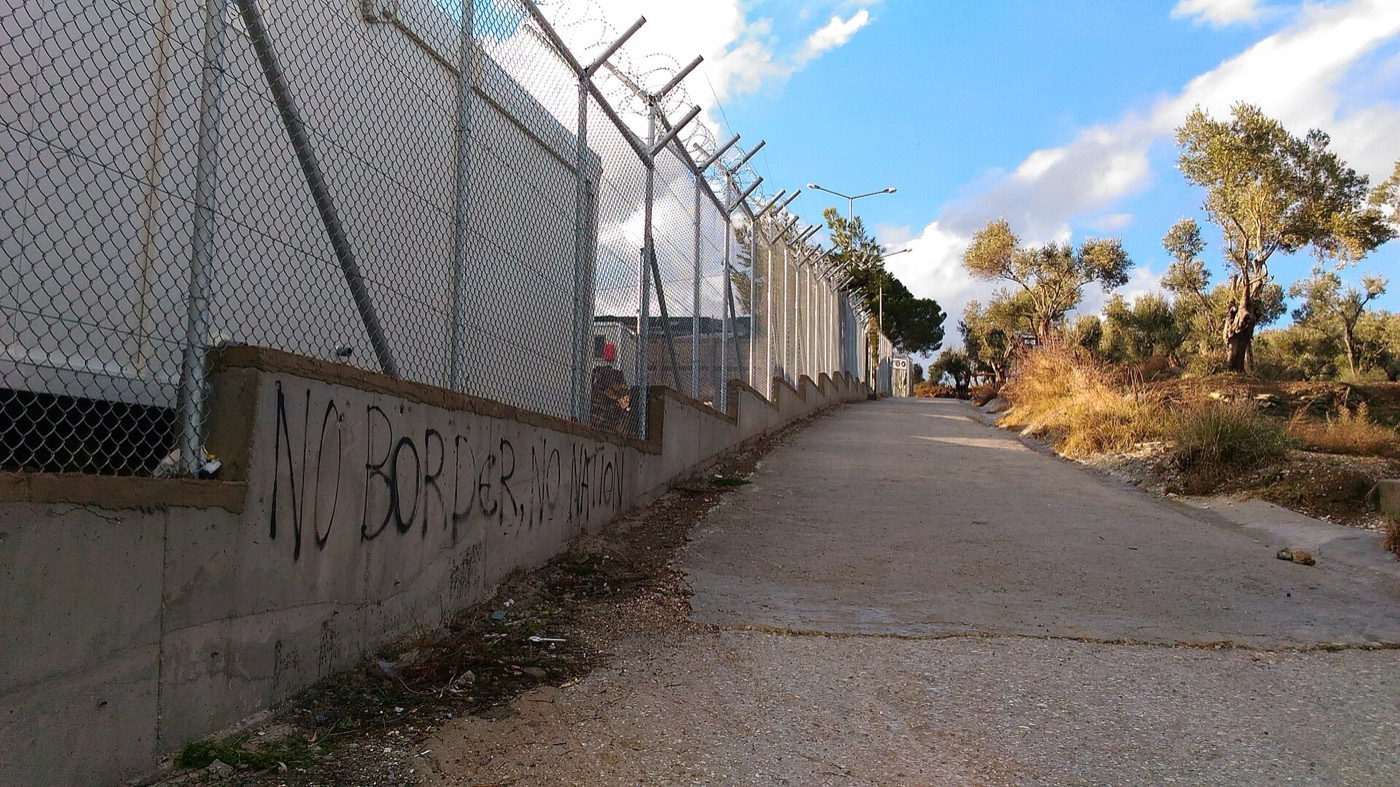
The islanders' attitudes hardened markedly in 2020. In February 2020, clashes with police broke out over plans for new closed centers, and a general strike was declared. After Türkiye announced at the end of February that it would not stop migrants, about a hundred people tried to prevent a migrant boat from landing at Thermi harbor on March 1, 2020. Journalists covering the events and a representative of the UN Refugee Agency were attacked. Around the same time, a temporary reception center in Skala Sykamias was set on fire, and an NGO boat was removed from Skala Loutron harbor. The Greek Supreme Court prosecutor's office requested an investigation into allegations that neo-Nazis from abroad had also taken part in the attacks. How many of the attackers were islanders and how many were far-right outsiders remains disputed.
The Moria camp was almost entirely destroyed in two fires on the nights of September 8 and 9, 2020. The camp was under quarantine because of a coronavirus outbreak. No one died in the fires, but more than 12,000 people were left without shelter and slept on the roads for days. The government stated that camp residents protesting against the quarantine had started the fire. In June 2021, a court on Chios sentenced four Afghan asylum seekers to ten years each for arson; two others, who were recognized as minors, were tried separately and received five years each. Defense lawyers argued that three of the four defendants had also been under 18 at the time of the events and that the trial was unfair. An analysis based on video footage by the research group Forensic Architecture suggested that the fire might have started in the camp's makeshift electrical wiring. After the fire, asylum seekers were moved to a temporary camp set up on military land at Kara Tepe. Visiting this camp on December 5, 2021, Pope Francis described the neglect of migrants as “the collapse of civilization.”
Today
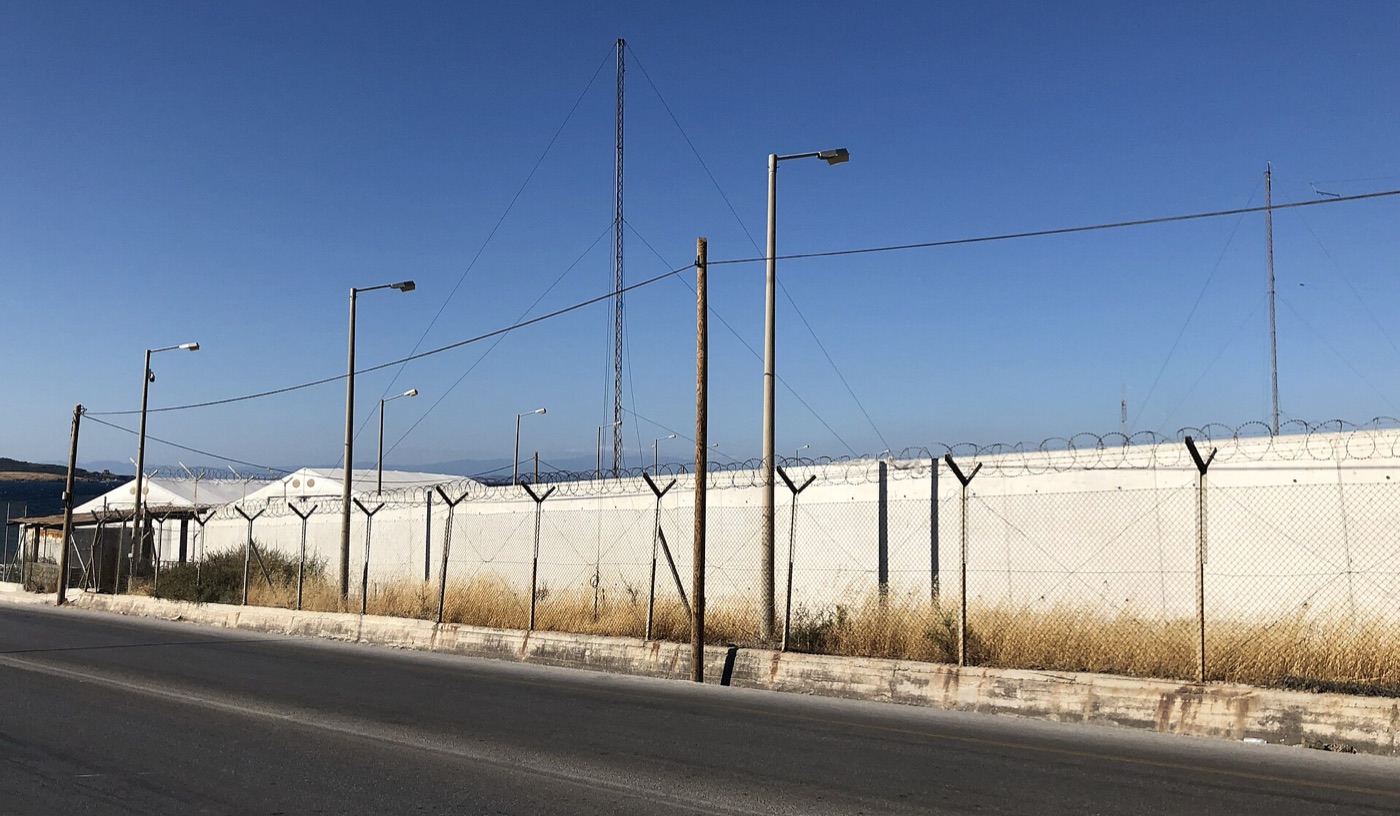
Three issues shape the agenda of Lesbos today. The first is migration. The temporary camp established at Kara Tepe, officially called Mavrovouni, to replace the Moria camp that burned down in 2020 is now the island's only “closed and controlled” center. The permanent center planned at Vastria in the island's interior had not yet opened as of September 2026. The Council of State canceled its construction permit because no environmental impact assessment had been conducted, and the government redesigned the project and extended the deadline to March 2026. Local legal organizations called for the project to be halted altogether in April 2026. About 650 people were staying at Mavrovouni at the end of March 2026, and transfers to the mainland brought the number below 500 in April. As the migration route shifted south, only 10 percent of those who reached Greece by sea in 2025 arrived on Lesbos.
The second issue is tourism. The island is largely making up for its losses after 2015. According to Greece's Ministry of Tourism, air arrivals to the island increased by 6.3 percent in the first eight months of 2025 compared with the previous year. Visitors from Türkiye accounted for a significant share during this period. By the end of September 2025, the number of visitors from Türkiye had reached 100,000. The local press reports that this volume of visitors caused congestion in Mytilene's port and on the city's roads in the summer of 2026.
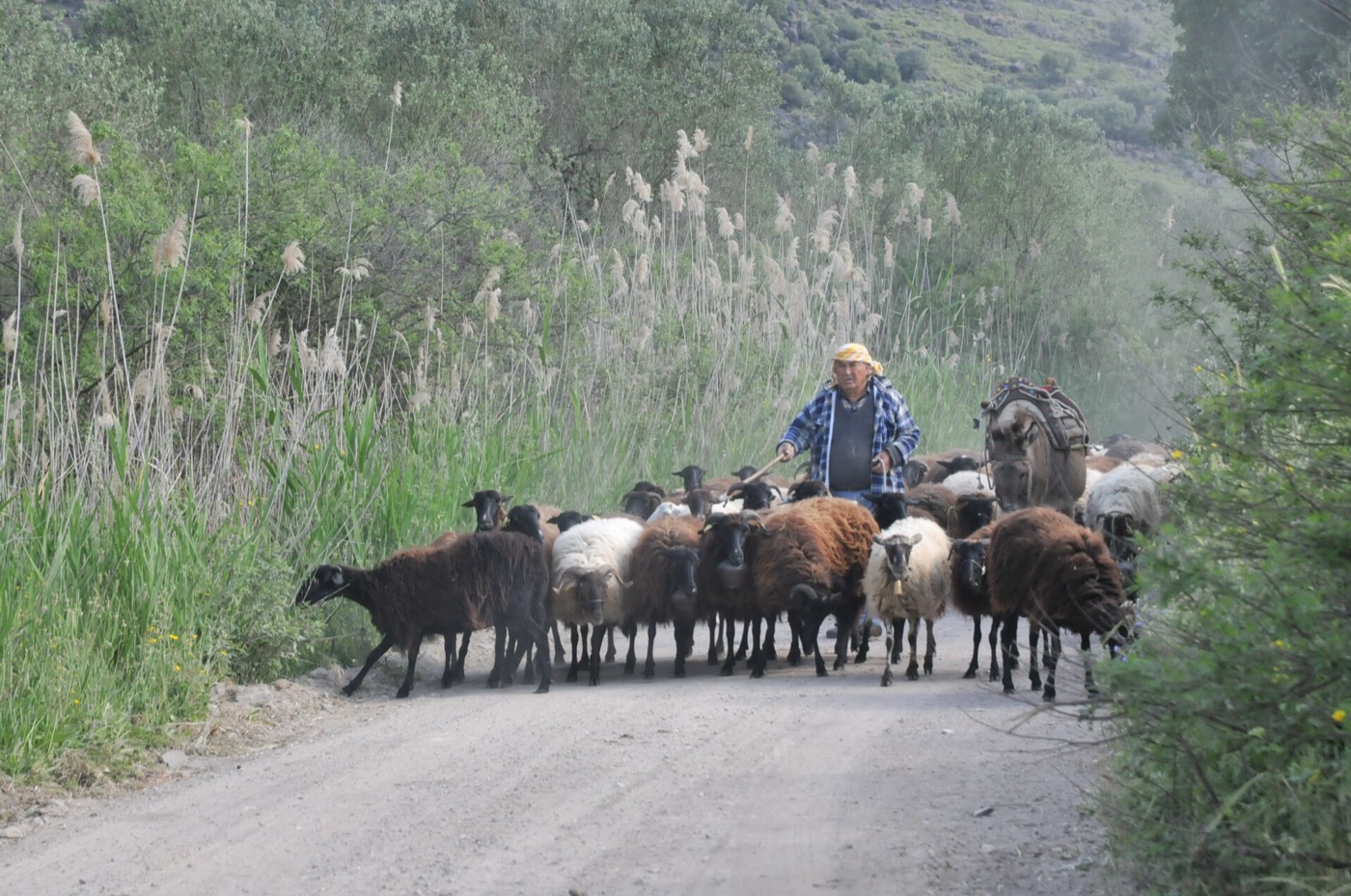
The third, and perhaps most serious, issue is the crisis in livestock farming. The foot-and-mouth disease case detected in Pelopi in March 2026 marked Greece's first outbreak of the disease in 25 years. By early May, 75 outbreak sites had been recorded on the island, and by June more than 30,000 animals had been culled from its sheep and goat population of about 480,000. Mesotopos, in the west, was among the worst-affected villages, with more than 20 outbreak sites and the loss of over 9,000 animals. Livestock products were prohibited from leaving the island, and more than 70,000 lambs and goat kids awaiting export before Easter could not be sold. In 2025, Lesbos had produced about 52,000 metric tons of sheep's and goat's milk and had accounted for 5–6 percent of Greece's production of white cheese bearing a geographical indication. Researchers at the University of the Aegean state that some bloodlines of the island's indigenous sheep breed have disappeared entirely in the outbreak.
Olive oil, meanwhile, has long since lost its former weight in the island's traditional economy. The island, which had 113 mechanized olive mills in 1912, now produces an annual average of about 8,500 metric tons of olive oil, varying between 3,000 and 12,000 metric tons depending on the harvest. Since the late twentieth century, a significant proportion of the less accessible, low-yielding olive groves have been abandoned or harvested only in abundant years.
Conclusion
The differences within Lesbos have historically taken shape along several lines. The east coast, Mytilene, and its surroundings became the center of trade, industry, and administration. Plomari in the south stood out for ouzo and soap, while Agiasos and Mandamados were associated with pilgrimage sites and livestock farming. The west, with its volcanic soil, sparse population, and pastoral livelihoods, remained the island's most rural part. The division of the island into the municipalities of Mytilene and West Lesbos in 2019 gave this distinction an administrative form as well.
The Ottoman legacy is visible in Mytilene's Epano Skala neighborhood and in Molyvos, while the population exchange can be seen in the demographic makeup of many villages from Sigri to Skala Sykamias. Mandamados's left-wing political tradition, Agiasos's post-civil war divisions, and waves of migration are also important parts of the island's recent history. In the coming years, the island's agenda will be shaped by the fate of the Vastria center, growing congestion driven by tourists from Türkiye, and whether livestock farming can recover after the foot-and-mouth disease outbreak.