
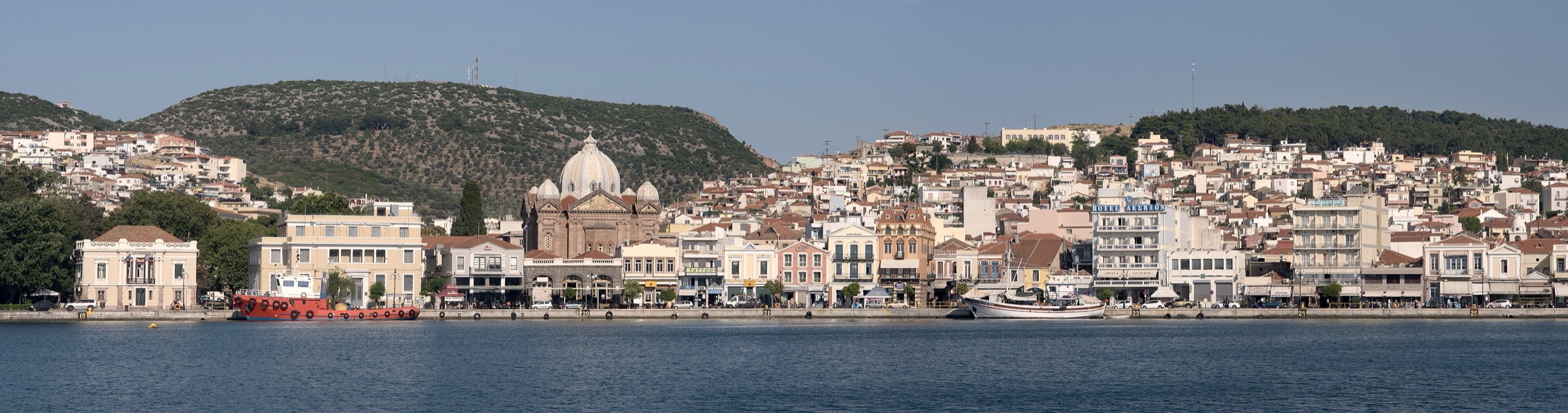
According to Greece’s 2021 census, the North Aegean Region is the country’s least populous region, with 194,943 residents. The region lost 2.6 percent of its population between 2011 and 2021. Population declined in four of its five island units and rose only in Ikaria. Ikaria has neither a strong tourism sector nor an industrial base. Known in recent history as a place of exile, the island is now more often associated with its residents’ longevity.
This picture shows how differently islands within the same administrative region function. Although the North Aegean islands look like a single group on the map, each has its own sources of livelihood, patterns of ownership, relationship with the state, and recent history. The first in a series of articles examining the Greek islands by island group, this article explores the North Aegean islands through these differences.
Administratively, the region consists of five units: Lesbos, Lemnos, Chios, Samos, and Ikaria. Smaller islands such as Agios Efstratios (Bozbaba), Psara, Oinousses, and Fournoi also belong to these units. The regional capital is the city of Mytilene. Although geographically in the same sea, Thasos and Samothrace are excluded from this article because they belong to the Eastern Macedonia and Thrace Region.
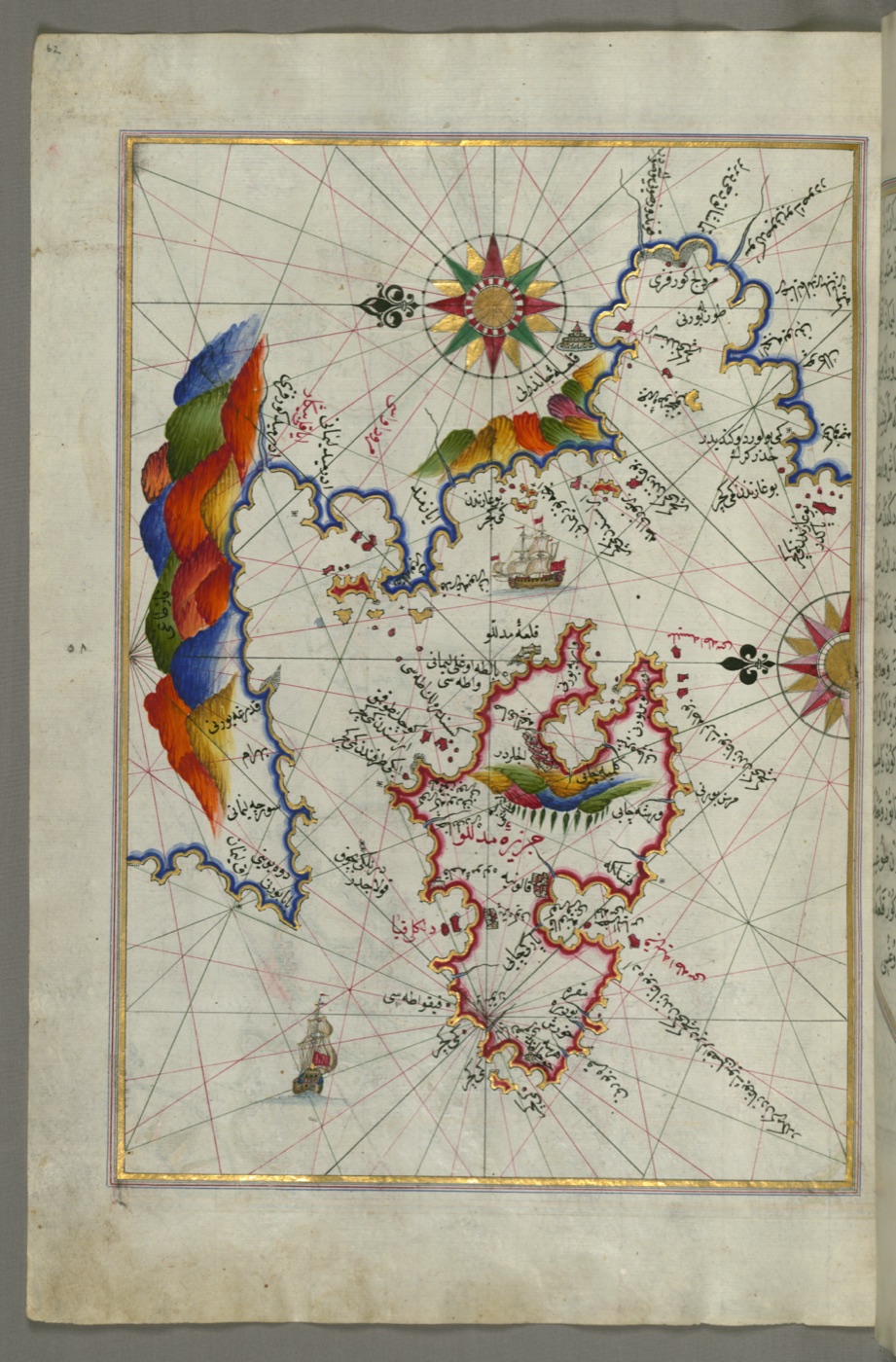
Lesbos
Lesbos remained under Ottoman administration until 1912. The island’s economy depended on olives, with olive oil and soap as its main exports. Once the governor’s monopoly on the oil trade was abolished, entrepreneurs among the Ottoman Empire’s Christian subjects expanded their olive groves and mechanized oil production. The island industrialized rapidly from the 1880s onward. The ability to import machinery from Europe duty-free accelerated this process. In 1912, the island had 113 mechanized oil mills, 6 factories extracting oil from olive pomace, and 14 soapworks. Their output was sold to the Anatolian coast, the Aegean islands, and Black Sea ports.
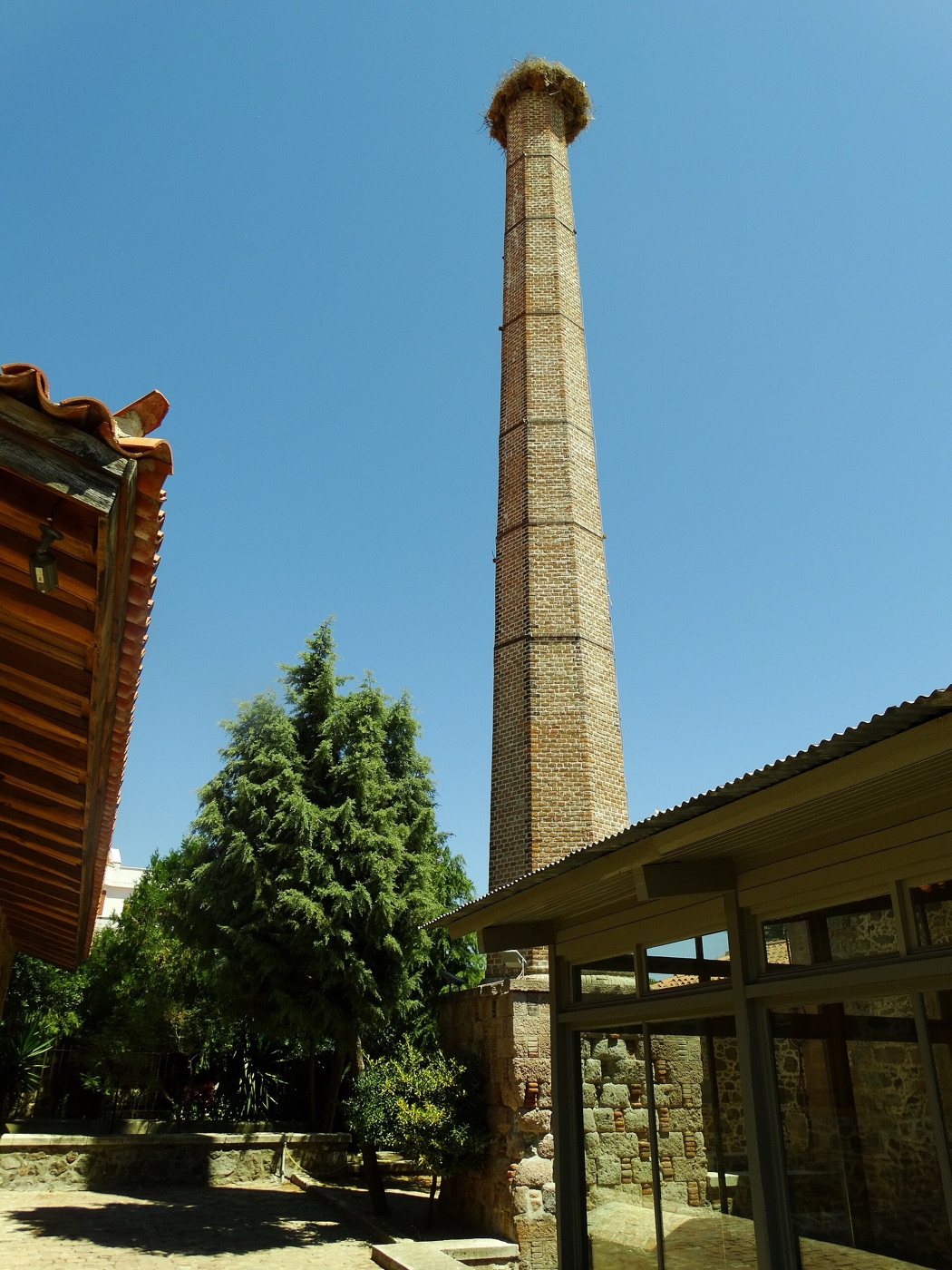
A striking example within this industry is the oil mill in the village of Agia Paraskevi. In 1910, the villagers established a communal oil mill and decided that its profits should fund the village’s educational and social affairs. They named the mill “του Κοινού η Μηχανή” (tu Kinu i Mihani). The word “kinó” here refers to the village community. The name can be translated roughly into Turkish as “Köyün Makinesi” (“The Village’s Machine”). The mill began operating in 1911 and ran continuously for approximately 55 years. When the military junta arrested most members of the village council in 1967, the mill also closed. The building now houses the Museum of Industrial Olive Oil Production of Lesvos. This example shows that ownership of machinery was a distinct source of power on the island and that the villagers sought to acquire that power through collective ownership.
1922 marked a second major rupture for Lesbos. That year, approximately 47,000 refugees arrived on the island, most fleeing in open boats from the areas around İzmir, Bergama, and Ayvalık. The population exchange of 1923 increased this number further. The newcomers, too, were Greek-speaking Orthodox Christians. Even so, the islanders did not treat them particularly well. In Greek, this distinction is expressed by the words ντόπιος (dopios), meaning local, and πρόσφυγας (prosfigas), meaning refugee. Today, more than half of the island’s population is estimated to descend from the refugees of 1922. The same rupture also affected the island’s trade. With the loss of the Anatolian market, some oil mills closed, and businesspeople from Lesbos turned to Piraeus and Crete.
The coffeehouse (καφενείο, kafenio) has a distinctive place in the island’s everyday social order. In the village, the coffeehouse is a male domain. During fieldwork in a village in the north of the island between 1979 and 1981, anthropologist Evthymios Papataxiarchis studied the friendships men formed in the coffeehouse. He found that these friendships were kept separate from kinship and relationships of self-interest, and described them as “friendship of the heart.” Women in the same village did not form such friendships outside the family. In ethnographies of Greek villages, women’s domain is generally described as the home, the neighborhood, and the church. In this respect, the women’s cooperative founded in Petra in 1983 is significant. The village’s women managed this organization, Greece’s first agritourism cooperative, and guests stayed in village homes.
Two new population groups stand out on Lesbos today. The first is students. The University of the Aegean (Πανεπιστήμιο Αιγαίου), founded in 1984, is headquartered in the city of Mytilene. Not to be confused with Ege University in İzmir, it has departments spread across Chios, Samos, Lemnos, Rhodes, and Syros. As of 2019, the university had approximately 10,000 students. This arrangement regularly brings a young population each year to islands whose populations shrink in winter.
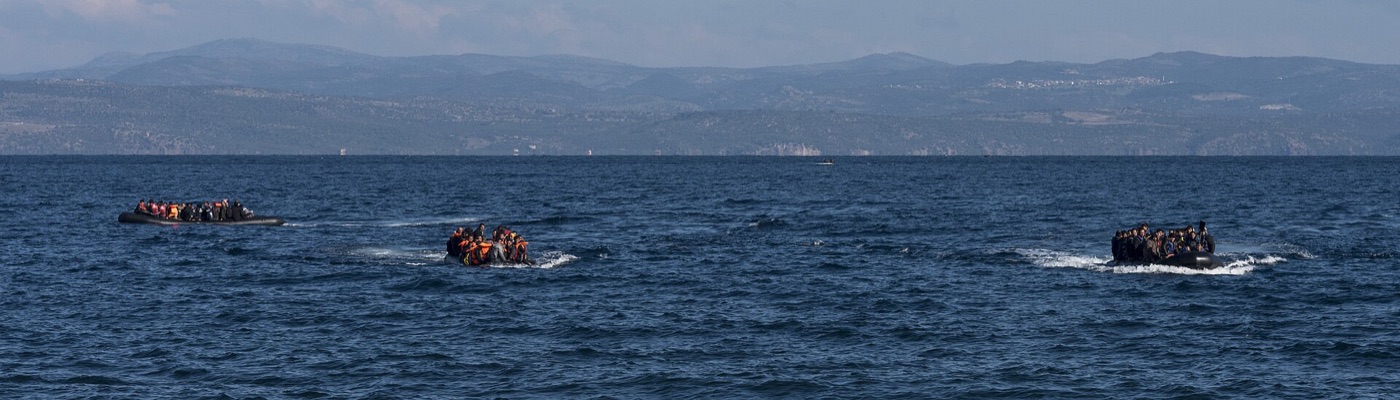
The second group is asylum seekers. In 2015, Lesbos became the principal entry point for the wave of migration toward Europe. According to the UN Refugee Agency, more than half of the 660,000 people who reached Greece by sea by the middle of November that year landed on Lesbos. Skala Sykamias, a fishing village of 150 residents in the island’s north, alone received more than 200,000 people. The islanders’ response during this period became the subject of a nomination for the Nobel Peace Prize in 2016.
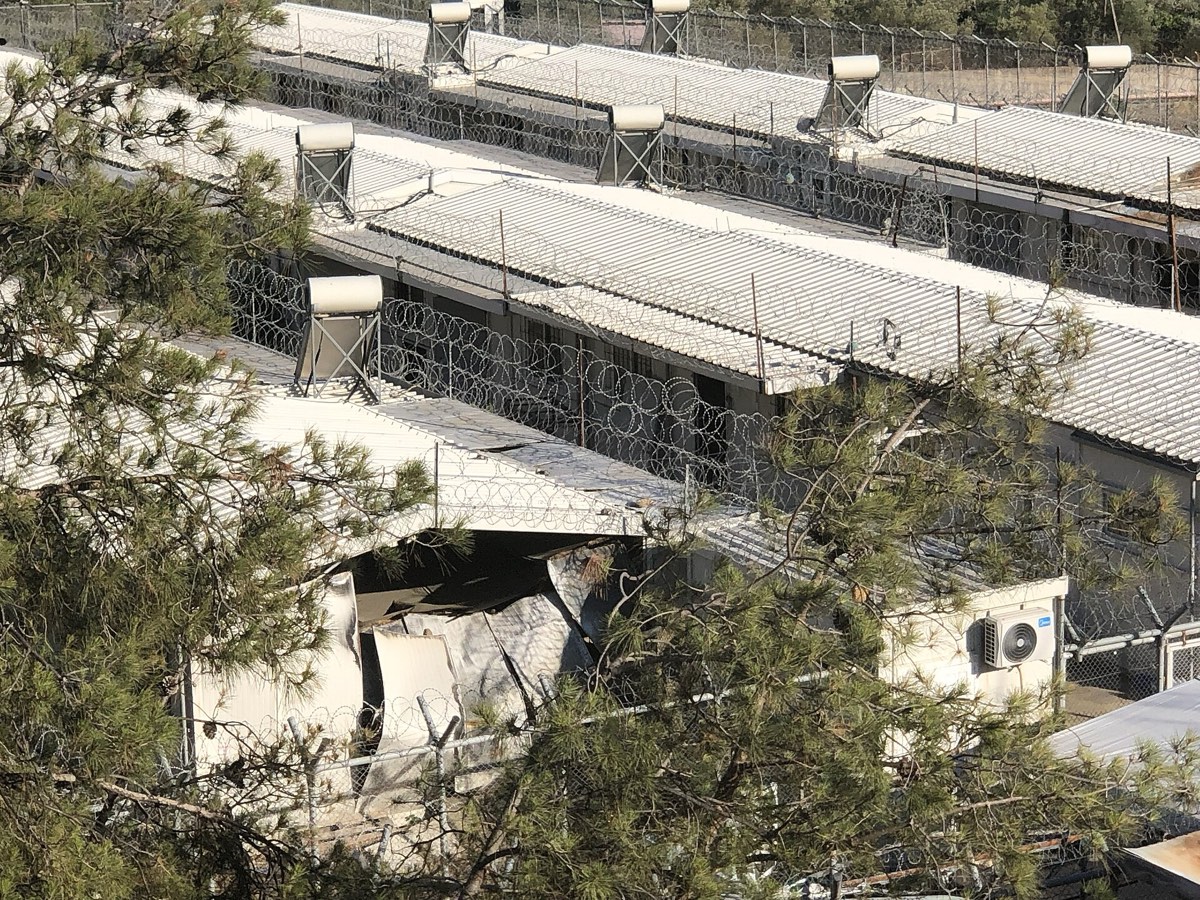
This solidarity, however, did not last long. In February 2020, the government’s decision to establish new closed centers on the islands met with a fierce backlash. On Lesbos, hundreds of people tried to prevent construction machinery from being unloaded, and clashes with police ensued. General strikes were declared on Lesbos, Chios, and Samos. In September of the same year, the Moria camp, which had reached four times its capacity with more than 12,000 people, burned down. A temporary camp was established at Mavrovouni to replace it, while the permanent center planned for Vastria remained controversial for a long time. Papataxiarchis titled his study of this process “A Temporary Patriotism.”
The migration crisis also affected tourism. Charter flights to the island fell by 60–70 percent from 2015 to 2016, while the number of cruise ships dropped from 53 in 2015 to one in 2017. In recent years, the migration route has shifted southward. In 2025, 47 percent of those arriving in Greece by sea reached Crete, while Lesbos’s share remained at 10 percent.
Chios
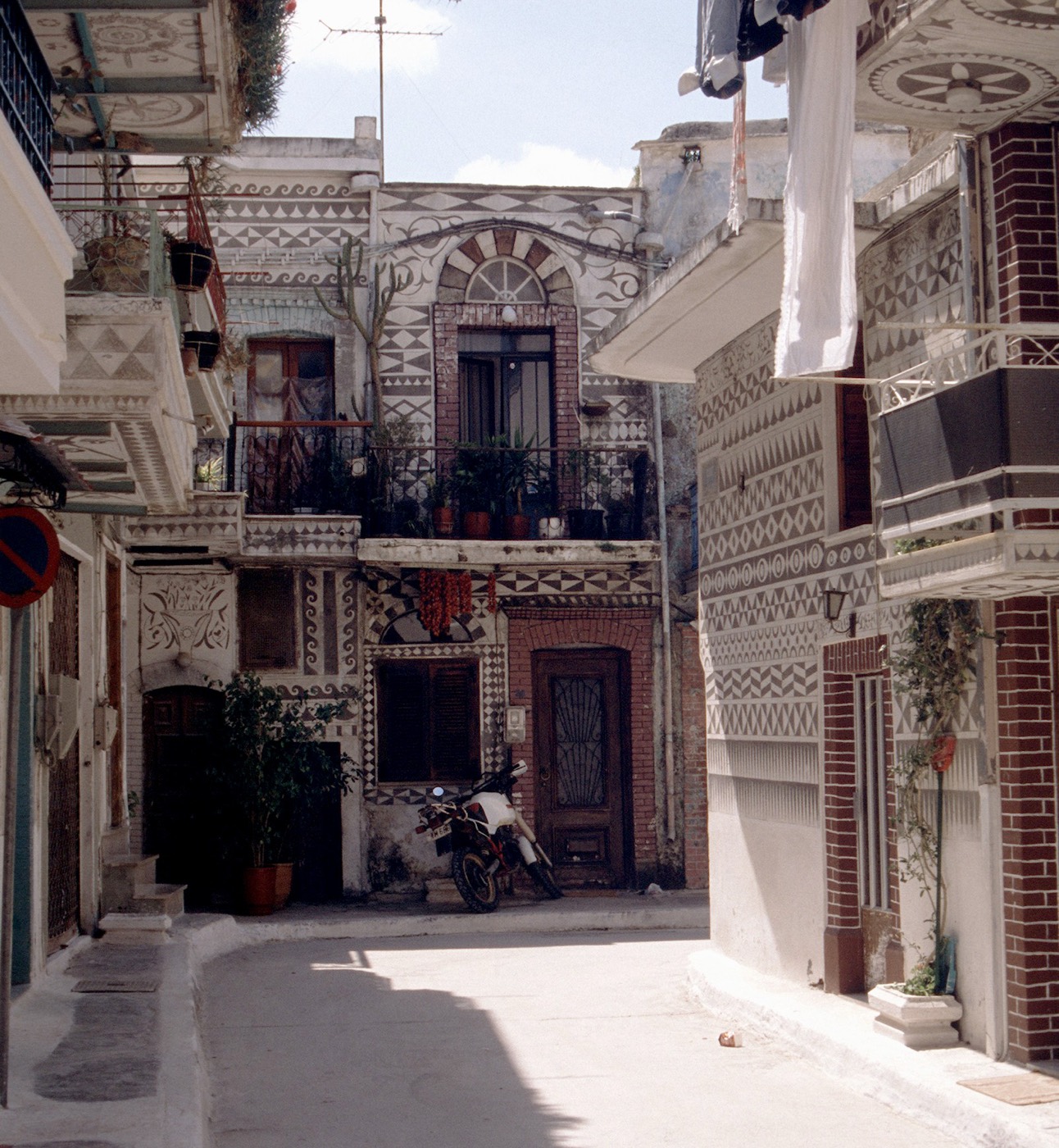
The basic divide shaping Chios’s social structure is between north and south. The tree that produces mastic yields its resin only in the island’s south. The 24 villages there are therefore known as Μαστιχοχώρια (Mastichochoria), or “mastic villages.” Pyrgi, Mesta, and Olympi are the best known. The villages were built as fortresses against pirate attacks, with the outer row of houses forming their defensive walls.
For centuries, the island’s wealth has depended on this resin. The Genoese, who captured the island in 1346, governed it through a company called the Maona and monopolized the mastic trade. This arrangement lasted until 1566. Mastic was also regarded as a valuable product under Ottoman rule, enabling the island to obtain significant privileges. Producers, however, could not sell their mastic freely until 1840. The sharpness of the north-south divide became evident in 1822. During the harsh suppression of the uprising on the island, those in the north suffered heavy losses, while the inhabitants of the mastic villages were covered by the sultan’s pardon.
The south’s present economic order rests on a cooperative structure. Founded in 1938, the Chios Mastiha Growers Association is the umbrella organization for 20 cooperatives in 24 villages and centrally manages mastic sales in Greece and abroad. In 2014, UNESCO inscribed the know-how of mastic cultivation on Chios on its list of the Intangible Cultural Heritage of Humanity. The Mastic Museum in Pyrgi opened in 2016.
In the island’s north, shipping is the defining activity. The village of Kardamyla and the Oinousses islands opposite it are the places of origin of Greek shipowning’s longest-established families. The Livanos family comes from Kardamyla, while the Lemos and Pateras families come from Oinousses. According to the industry publication TradeWinds, Greek shipowners managing approximately one-tenth of the world’s merchant fleet trace their origins to Chios and Oinousses. Most of these families do not spend the greater part of the year on the islands. This region is also one of the social roots of shipowning capital, which I previously discussed in “The Greek Press and the Diaploki Machine.”
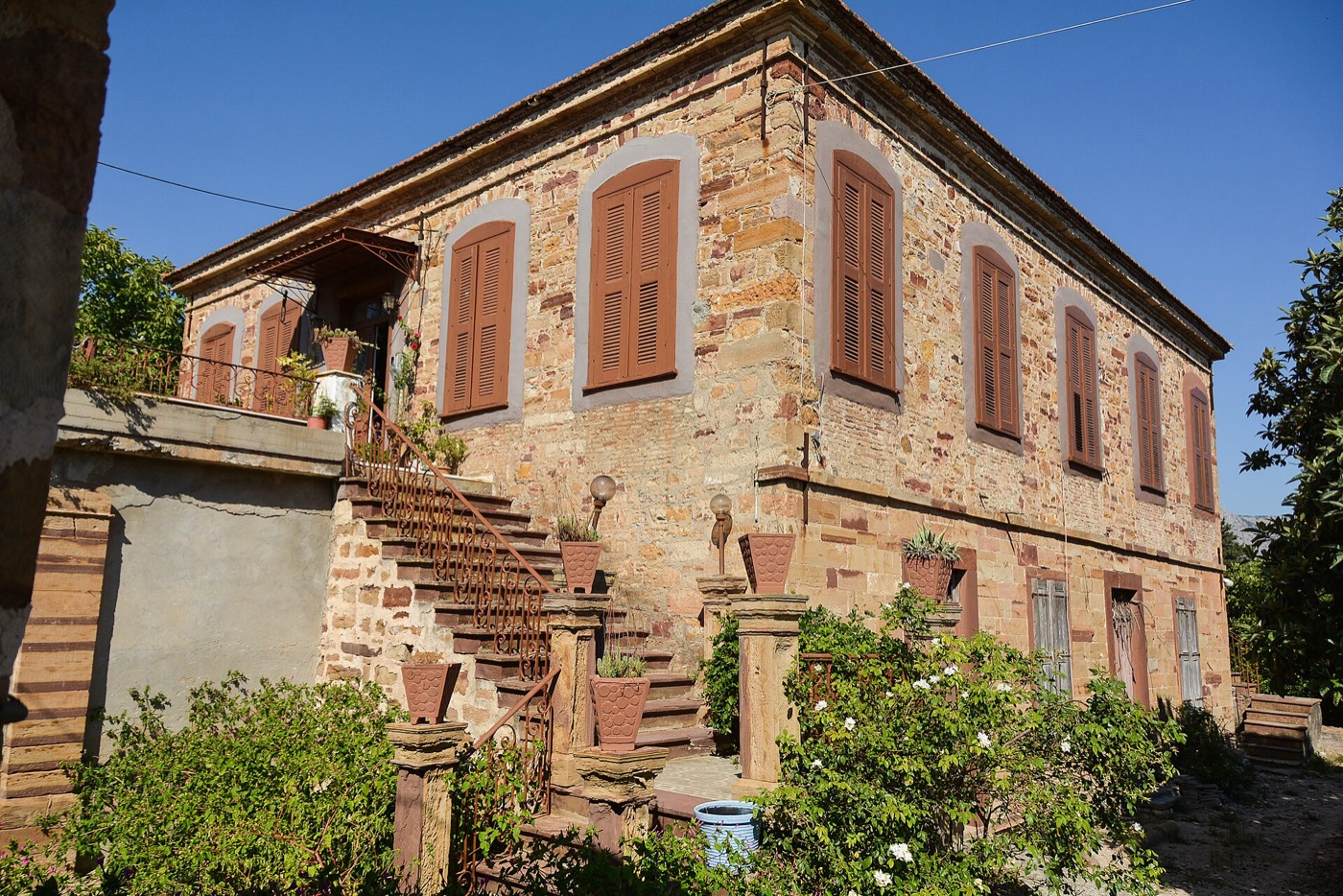
Kampos, between the two areas, represents the island’s old mercantile wealth. On this plain south of the town are mansions and citrus orchards enclosed by high stone walls. The first mansions were built in the Genoese period; during Ottoman rule, the island’s merchant and seafaring families also had mansions built here.
Psara, administratively attached to Chios, supplied one of the three major fleets of the Greek uprising in 1821 and was largely destroyed by an Ottoman naval attack in 1824. The island’s population in the 2021 census was 420.
Forest fires dominate the agenda on Chios today. According to NASA, the fire of 2012 burned more than half of the mastic trees and caused a shortage of mastic on the world market. Estimates of the area burned in the fires of June 2025 range from 2,000 to 6,500 hectares, depending on the source. Most of the mastic groves were saved in these fires, but villages such as Lithi suffered damage. In an economy dependent on a single tree crop, fires directly affect livelihoods.
Samos
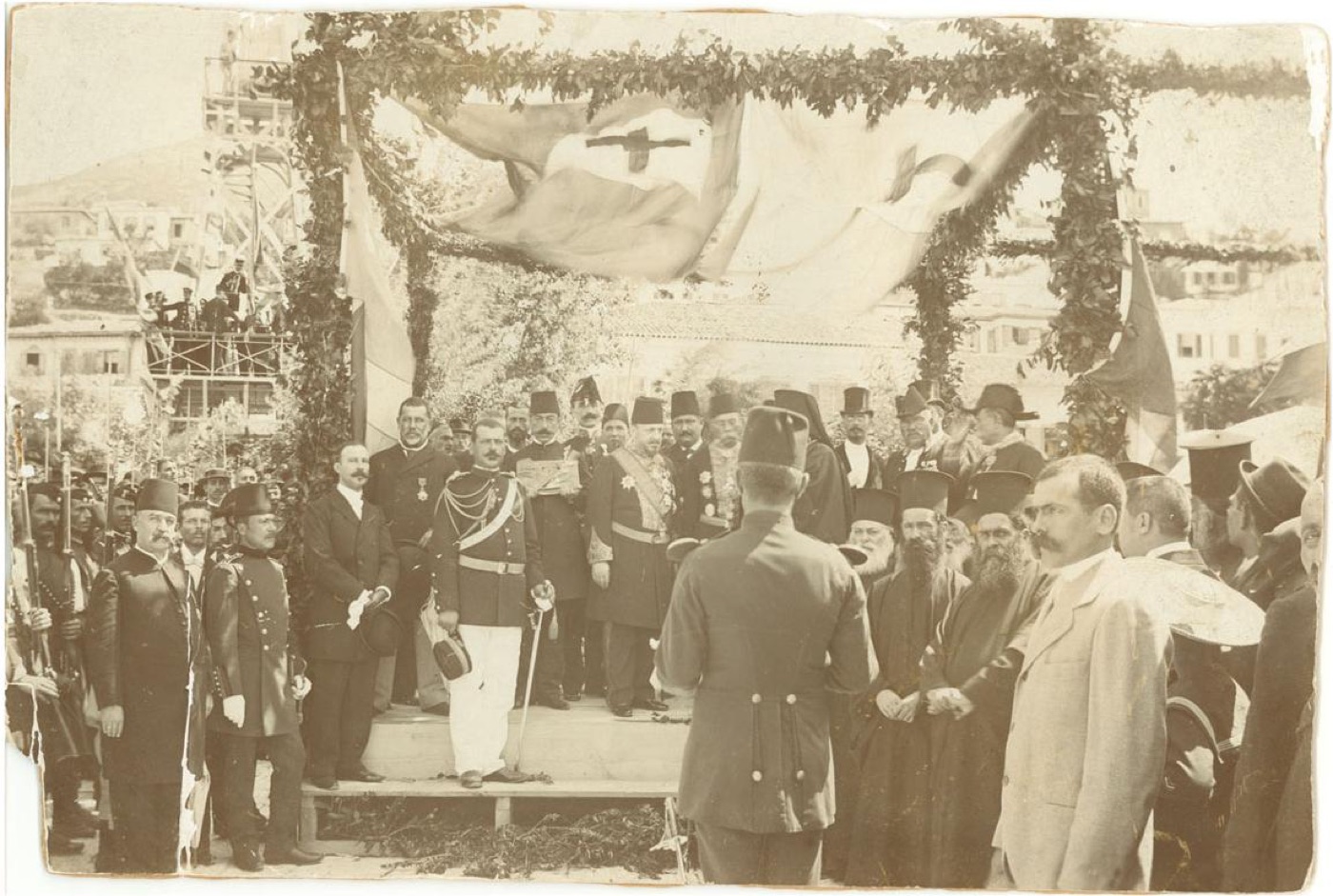
Samos’s 19th century followed a different course from the rest of the region. Between 1834 and 1912, the island had an autonomous administration called the Principality of Samos (Ηγεμονία της Σάμου). The principality paid an annual tax to the Ottoman treasury and used its own flag. A Greek Orthodox prince appointed by the Sublime Porte governed the island. It also had its own assembly.
Autonomy also shaped the island’s internal politics. Its politics were divided between the Karmanioloi, who maintained the tradition of revolt, and the Kallikantzaroi, who stood close to the prince. The second group took its name from goblins in Greek folk belief. The first prince, Stefanos Vogoridis, ruled with this group’s support, imposed heavy taxes on agricultural products, and was dismissed in 1849.
The principality’s lasting influence can be seen in the economy. Privileges such as customs exemptions allowed industry to develop on the island. At the end of the 19th century, a tobacco industry emerged in Vathy and tanneries were established in Karlovasi. Between 1880 and 1930, Karlovasi had more than 50 tanneries and 300 workers. In 1908, tannery workers had their own union. Small tanneries, however, could not compete with large-scale industry and closed over the course of the 20th century. One former tannery now houses Greece’s only tannery museum. Karlovasi today is also home to departments of the University of the Aegean.
Wine is another pillar of Samos’s economy. In 1934, the island’s 26 local cooperatives came together to form the Union of Samos Wine Cooperatives. Representing all the island’s winegrowers, the union aimed to protect producers against merchants. For many years, it processed and sold the island’s wine centrally. A large share of Samos’s Muscat wine is still exported today.
In this respect, Chios and Samos followed similar paths. On both islands, the main product has been managed through cooperatives established in the 1930s that centralized sales. On Lesbos, by contrast, olive oil production remained largely in the hands of private mills and merchants, while the collective-ownership model was tried in villages such as Agia Paraskevi.
Migration also occupies an important place on Samos’s current agenda. The first “closed and controlled” center built with European Union funds opened in the Zervou area of Samos in September 2021. The 3,000-person center is surrounded by a double row of barbed wire. In 2025, 12 percent of those arriving in Greece by sea reached Samos.
Ikaria
Ikaria’s recent history has been shaped more by politics than by economics. On July 17, 1912, the islanders expelled the small Ottoman garrison and proclaimed the Free State of Ikaria. Led by the physician Yannis Malachias, this entity issued its own stamps and adopted its own anthem. After five months marked by food and transport shortages, the island joined Greece on November 4, 1912.
During the civil war, Ikaria became a place of exile. According to sources, between 13,000 and 15,000 left-wing exiles were sent to the island. Some sources state that this was almost twice the island’s population at the time. No camp was established on Ikaria; the exiles were housed in empty village homes. The island’s nickname “Red Rock” (Κόκκινος Βράχος, Kokinos Vrahos) dates from this period.
This past can also be traced in politics today. In the June 2023 elections, the Communist Party of Greece (KKE) won 7.7 percent of the vote nationwide but came first on Ikaria with 35.86 percent. The party also won the island’s mayoralty in the local elections that same year.
Another feature of Ikaria is its residents’ longevity. The Ikaria Study, conducted in 2009, included 1,420 island residents over the age of 30 and found that 13 percent of participants were over 80. The researchers found that the great majority of these older people did physical work every day, took afternoon naps, and met frequently. The rate of depression was found to be extremely low.
Village festivals, known as πανηγύρι (panigiri), are central to the island’s social life. These fairs are held from one village to the next throughout the summer and often continue all night. Traditionally, their proceeds funded the village’s roads, water supply, and square. In this respect, like the communal oil mill at Agia Paraskevi, the fair served as a means of meeting the village’s shared needs.
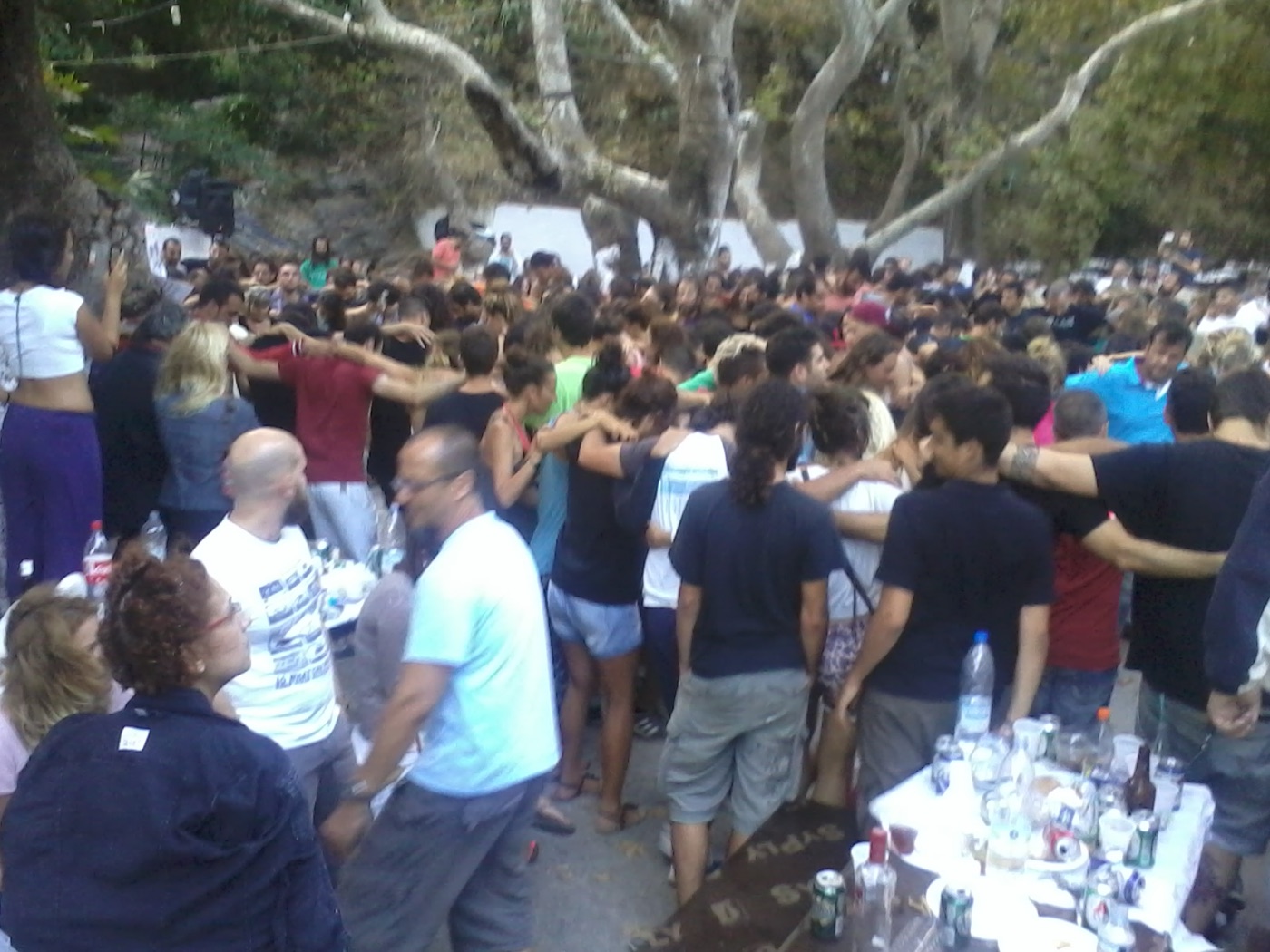
The population of the Ikaria regional unit rose from 9,882 to 10,189 between 2011 and 2021. This unit, which also includes the Fournoi islands, is the only island unit in the North Aegean whose population increased. The reasons for this growth merit separate examination.
Lemnos and Agios Efstratios
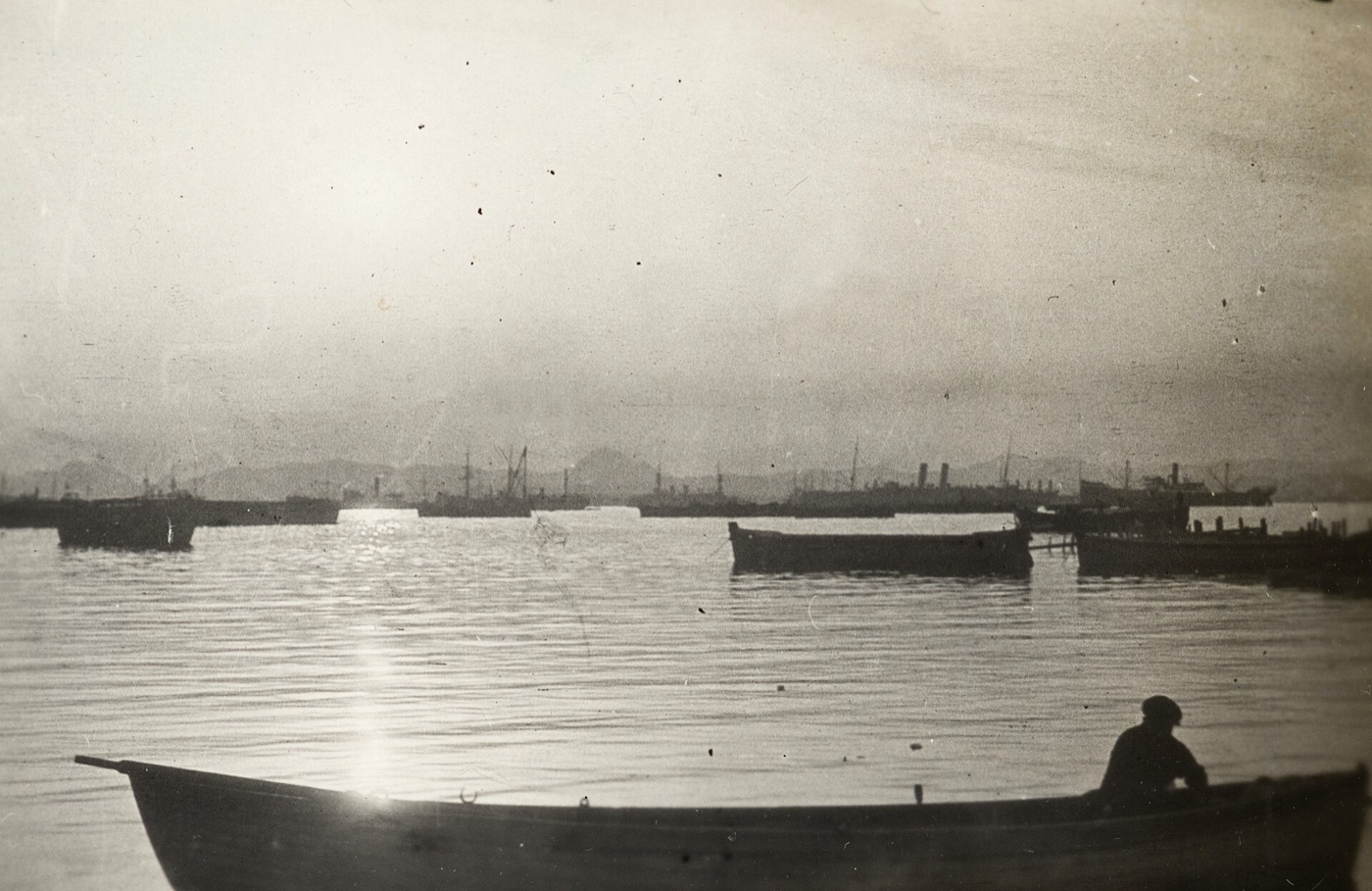
The port of Mudros is central to Lemnos’s modern history. Less than a hundred kilometers from the Gallipoli Peninsula, the island has a bay capable of sheltering a large fleet. The Allied Powers established their forward bases here for the Gallipoli campaign in 1915. Tens of thousands of soldiers came to the island from Australia, New Zealand, England, France, India, and Egypt. On the evening of April 24, 1915, approximately 200 ships left Mudros for the landings. The wounded were also brought to Lemnos. Of the 347 soldiers buried in the cemetery at Portianou, 50 are Australian. The Armistice of Mudros, which ended World War I for the Ottoman Empire, was also signed in this port, aboard the battleship HMS Agamemnon, on October 30, 1918.
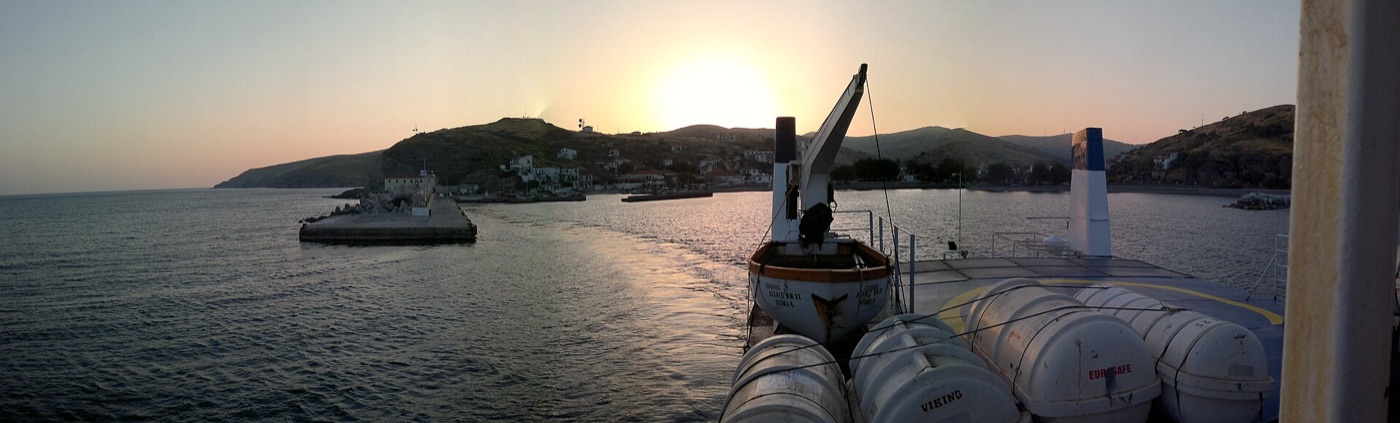
Agios Efstratios, south of Lemnos, was used as a place of exile for many years. The island hosted political exiles from the late 1920s until the early 1960s, and again during the junta. At certain times, the number of exiles exceeded twice the island’s population. The poet Yannis Ritsos and the composer Mikis Theodorakis were among those exiled here. A major earthquake in 1968 destroyed almost the entire village, which was replaced with rows of prefabricated concrete houses laid out like a military camp.
Agios Efstratios has made the news for a different reason in recent years. According to reports published in October 2026, the island obtains 91 percent of its electricity from renewable sources. A 900-kilowatt wind turbine was installed at the island’s highest point, supplemented by a solar power plant and storage system. The European Union covered 85 percent of the €7.23 million project. Approximately 250 people live on the island today.
Conclusion
The traditional order of the North Aegean islands rested on three elements. The first was the island’s main product: olive oil on Lesbos, mastic on Chios, and wine and leather on Samos. The second was shipping. Especially in northern Chios, the sea was a source of great family fortunes. The third was the relationship with the central state. At different times, the state brought taxation, soldiers, and exiles to the islands.
Today, this order is changing. Although the main products endure, they no longer sustain the islands’ economies on their own. The mastic and wine cooperatives remain active, while Agia Paraskevi’s communal oil mill has become a museum. Students, tourists, and asylum seekers now come to the islands every year. Although none of these groups settles permanently on the islands, they substantially affect their economies and everyday life. The region’s total population, meanwhile, continues to decline.
The North Aegean islands are less dependent on tourism than the Cyclades. Olives, mastic, and wine remain important sources of livelihood. At the same time, these islands have been among the most visible settings for Europe’s migration policy over the past decade. At first glance, the islanders’ solidarity in 2015 and their protests in 2020 seem contradictory. Yet both responses can be read alongside the islanders’ desire to have a say in decisions about their islands made from afar. The region’s future will depend largely on the size of the population that remains on the islands in winter.