


While I was still an undergraduate, I came across a reference to ashugh literature and its traditions in a work by Fuad Köprülü, and found the subject fascinating. At the time, I was examining couplets and ghazals written in Greek, Albanian, and Serbian as a way of tracing the empire’s cultural legacy. Seeing how little research had been done on almost all these subjects, I wanted to write at least an article. I wondered whether I might write a master’s thesis on this cultural heritage. My department chair at the time dismissed the idea: “This is pointless. You can’t write a master’s thesis on things like this.” Still, because the topics interested me, I pursued them and put together a research file. After changing fields, however, I never had the time to give them the scholarly attention they deserved. In this blog post, I nevertheless wanted to touch on Armenian ashugh, or aşık, literature, rooted in Turkish aşık literature and the bardic tradition, and put a few thoughts on paper.
Ashughakan grakanutyun (Աշուղական գրականություն), or ashugh literature, is an oral and written literary tradition with an important place in Armenian culture. It spans the period from the sixteenth to the twentieth century. As its name suggests, “ashugh” (աշուղ) is the Turkish word “aşık,” which is Arabic in origin. Emerging in the sixteenth and seventeenth centuries, this tradition drew particularly on Turkic folk bards and aşık literature in the region of Azerbaijan. These artists, also known in Armenian as “gusan” (գուսան), came to be identified as folk bards and wandering poets. Ashughner (աշուղներ), or ashughs, are artists who travel among the people, reciting poetry and telling stories, generally to the accompaniment of a saz (սազ) or another instrument.
The historical development of the ashugh tradition is intertwined with changes in Armenian culture. The tradition began to take shape in the sixteenth century and enjoyed its golden age in the eighteenth. Famous ashughs such as Sayat-Nova (Սայաթ-Նովա) emerged in this period and made significant contributions to Armenian literature. Ashughs were generally religiously educated, multilingual people who traveled widely. These qualities allowed them to absorb influences from different cultures and reflect them in their work. Ashughakan yerger (աշուղական երգեր), or ashugh poems, generally center on ser (սեր—love), bnutyun (բնություն—nature), sotsialakan ardarutyun (սոցիալական արդարություն—social justice), and kronakan temaner (կրոնական թեմաներ—religious themes). Written in zhoghovrdakan lezu (ժողովրդական լեզու—the vernacular) and offering glimpses of everyday life, these poems appealed to broad audiences. Over time, the ashughs’ works were written down and became an important part of Armenian literature.
The poets generally composed their works in language varieties known as zhoghovrdakan hayeren (ժողովրդական հայերեն—vernacular Armenian) or mijin hayeren (միջին հայերեն—Middle Armenian). This choice of language enabled their works to be understood and embraced by broad sections of the population. Some poets, however, also wrote in Classical Armenian, known as krapar (գրաբար), demonstrating their command of both folk culture and high literature. The multilingual character of ashugh literature is also striking. For example, as noted above, the famous ashugh Sayat-Nova wrote poetry not only in Armenian but also in Georgian, Azerbaijani Turkish, and Persian. This multilingualism is a particularly clear example of the intercultural exchange that characterized the region in those centuries.
By the twentieth century, modernization and urbanization had also affected the ashugh tradition. It did not disappear, however, but endured by developing new forms and modes of expression. Today, it is regarded as an important part of Armenian cultural heritage. Many researchers and artists study the tradition and offer modern interpretations of it. Numerous theatrical and musical works produced in Armenia today draw on it. The tradition has also been included on UNESCO’s “Representative List of the Intangible Cultural Heritage of Humanity.”
Characteristics of Ashugh Literature
Although rooted in Turkish aşık literature, ashugh literature has a number of distinctive characteristics. Its closest similarities are to the traditions of the Caucasus and Azerbaijan rather than the Anatolian branch of Turkish aşık literature. Its most prominent feature is the bridge it forms between oral tradition and written culture. Ashughs generally performed their poetry orally, but their works were eventually written down, acquiring the characteristics of both oral and written literature. This gave ashugh literature a dynamic, flexible structure. It also allowed ashugh poems to circulate widely and pass from one generation to the next. This process of transmission enabled the tradition to remain alive and continually renew itself.
A second important characteristic of ashugh literature is its multilingual, intercultural nature. Ashughs are generally artists capable of composing in more than one language. The greatest Armenian artists wrote in Turkish, Persian, and Georgian as well as Armenian. Third, ashugh literature shares particular thematic and formal characteristics with Turkish aşık literature. Ashugh poems, too, generally address themes such as love, nature, social justice, religion, and philosophy, weaving them together with motifs from everyday life.
In formal terms, the Armenian ashugh poetic tradition also has important features in common with Turkish aşık literature. The quatrain form known as “koşma” (Armenian: կատրին—katrin) is widely used in this tradition. Five-line stanzas known as “muhammes” (Armenian: հինգյակ—hingyak) are another important form frequently encountered in Armenian ashugh poetry. These poems are generally performed to the accompaniment of a kemenche, tar, or saz. Their musical structure makes them easy to memorize and pass on.
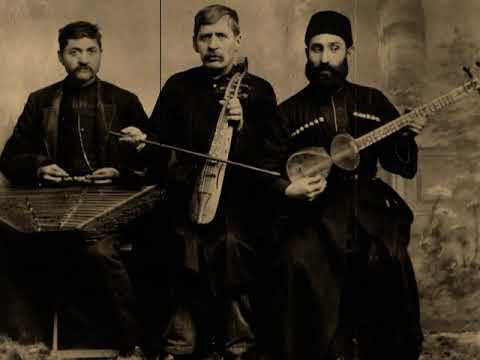
As the example below shows, although the bağlama appears in Armenian music, the ashugh tradition differs in its structure from Turkish aşık literature. Instruments such as the classical kemenche and tar are more commonly used.

These features closely connect the Armenian ashugh tradition with other oral poetic traditions in the region. The poems’ formal structure gives them a musical character while also helping them spread rapidly among the people. The social role of ashughs extends beyond artistic expression: they also play an important part in transmitting cultural values and historical events across generations. The language of Armenian ashugh poetry is generally simple enough for ordinary people to understand, though complex literary devices are sometimes employed. The tradition remains an important part of Armenian literature and continues to be revived through modern interpretations. Armenian ashugh poetry is thus recognized as an expression of a rich cultural heritage, both in its formal characteristics and its content.

A Depiction of an Ashugh
As in the Turkish aşık literary tradition, performance is central to ashugh literature. Ashughs generally perform their poems to a particular melody, accompanied by a saz. This is more than oral narration: it is an integrated artistic performance incorporating musical and theatrical elements. Ashugh performances often involve improvisation and place great emphasis on interaction with the audience. Ashughs use their tone of voice, facial expressions, and body language to heighten the impact of their poems. Poetic duels between ashughs are another important aspect of this performance tradition, allowing them to display their improvisational skills, knowledge, and verbal mastery. Performance has played an important part in sustaining ashugh literature as a living, dynamic tradition.
Similarities and Differences Between Aşık and Ashugh Literature
In both traditions, bards are known to have led itinerant lives. Traveling from region to region allowed them to facilitate cultural exchange and bring their works to broad audiences. The famous eighteenth-century Armenian ashugh Sayat-Nova, for example, performed in cities such as Tbilisi, Telavi, and Yerevan. Similarly, bards in the Turkish aşık tradition, such as Karacaoğlan and Dadaloğlu, traveled across Anatolia reciting their poems. In both traditions, bards sing their poetry to the accompaniment of a saz or a similar instrument. Armenian ashughs generally use instruments called the “classical kemenche” or “tar,” while Turkish aşıks mostly use the “bağlama” or “saz.” This mode of performance is an important part of the oral tradition in both cultures and has produced a distinctive art form combining music and poetry.
Thematically, Armenian ashugh and Turkish aşık traditions address similar subjects. Love, nature, social justice, and religion are common to both. There are thematic similarities, for example, between the love poems of the sixteenth-century Armenian ashugh Nahapet Kuchak and those of the nineteenth-century Turkish aşık Emrah. In both traditions, nature is often used as a metaphor reflecting human emotions. Social justice is another subject frequently addressed by both Armenian and Turkish bards. Parallels can be drawn, for example, between poems criticizing social inequality by the nineteenth-century Armenian ashugh Ghazaros Aghayan and works on social injustice by the twentieth-century Turkish aşık Mahzuni Şerif. Religious themes also occupy an important place in both traditions, although Christianity predominates in the Armenian ashugh tradition and Islam in the Turkish aşık tradition. These thematic similarities reflect a shared cultural and geographical context, while also showing that each tradition retains its own religious and cultural characteristics.
There are also important formal similarities between the Armenian ashugh and Turkish aşık traditions, both of which use comparable verse forms. Forms such as the koşma and destan, for example, are common to both. The koşma generally consists of quatrains in an eleven-syllable meter and is frequently used by both Armenian and Turkish bards. The destan is a longer form that generally recounts historical or legendary events. Known in the Armenian ashugh tradition as “dasdan,” it closely resembles the epics of the Turkish aşık tradition. Both traditions also feature contests, known as “atışma” or “deyişme,” in which bards improvise poetry in response to one another. This performance element demonstrates the lively, interactive nature of both traditions. Such contests are called “ashughakan mergaran” in the Armenian ashugh tradition, while the Turkish aşık tradition uses the terms “atışma” or “karşıberi.” These performances allow bards to display both their poetic abilities and their general knowledge, and attract considerable interest in both cultures.
There are, however, some important differences between the two traditions. Multilingualism is more widespread in the Armenian ashugh tradition. Armenian ashughs commonly compose in languages such as Turkish, Persian, and Georgian as well as Armenian, while multilingual composition is less common in the Turkish aşık tradition. This multilingualism enabled Armenian ashughs to serve as a bridge between cultures. In the Turkish aşık tradition, by contrast, bards generally use different dialects of Turkish, and composing in other languages is less widespread. This difference may be related to the Armenian community’s historical experience of living under the rule of various empires.
Another important difference lies in the historical development of the two traditions. The Turkish aşık tradition emerged through the blending of the pre-Islamic Turkic bardic tradition with Islamic elements. In other words, the tradition existed among Turkic peoples even before Islam. It took shape over centuries across a vast area stretching from Central Asia to Anatolia. Dede Korkut, a Turkic bard who lived in the eleventh century, for example, illustrates the continuation of the pre-Islamic Turkic bardic tradition into the Islamic period. As noted above, the Armenian ashugh tradition developed primarily within Christian culture and has its roots in Armenian folk bards, or gusan. It acquired a distinct form particularly from the sixteenth century onward, making it much more recent than Turkish aşık literature. These different religious and cultural contexts have produced certain differences in the metaphors, symbols, and references used by the two traditions. Islamic motifs and elements of Alevi-Bektashi culture, for example, frequently appear in the Turkish aşık tradition, while Christian iconography and symbols are more widespread in the Armenian ashugh tradition. This shows that both traditions have maintained their own cultural and religious identities while remaining open to regional influences.

A Depiction of the Ashugh Sayat-Nova
Some Important Figures in Ashugh Literature
- Nahapet Kuchak (Նահապետ Քուչակ) (sixteenth century)
- Sayat-Nova (Սայաթ-Նովա) (1712–1795)
- Arakel Baghishetsi (Առաքել Բաղիշեցի) (seventeenth century)
- Jivani (Ջիվանի) (1846–1909)
- Shirin (Շիրին) (nineteenth century)
- Ashugh Gevorg (Աշուղ Գևորգ) (late nineteenth–early twentieth century)
Schools of Armenian Ashugh Literature
Three important schools are identified in ashugh literature: Tbilisi, Alexandropol (present-day Gyumri), and Yerevan. The Tbilisi school became one of the most important centers of the Armenian ashugh tradition in the eighteenth and nineteenth centuries. Drawing on the city’s cosmopolitan character, its ashughs generally composed in languages such as Georgian, Azerbaijani Turkish, and Persian as well as Armenian. Its most famous representative is Sayat-Nova, who lived in the eighteenth century. His works abound in philosophical reflections, subtle expressions of emotion, and metaphors.
The Alexandropol (Gyumri) school developed in the city of that name and focused more on preserving elements of traditional Armenian folk music. It is known for foregrounding local motifs and themes particular to Armenian culture. Ashughs of the Alexandropol school generally composed in Armenian and drew on local folktales, legends, and historical events for their poems and songs. One important representative is Jivani, who lived in the nineteenth century. His works are known for addressing social injustice and problems in society. The Alexandropol school played an important role in preserving and sustaining Armenian culture.
The Yerevan school gained prominence particularly in the late nineteenth and early twentieth centuries and helped shape the modern Armenian ashugh tradition. It explored themes reflecting the cultural and political importance of Yerevan, Armenia’s capital. Its ashughs incorporated contemporary subjects into their works while preserving traditional forms. One important representative is Sheram, who lived in the early twentieth century. His works are known for addressing national identity, patriotism, and social change. The Yerevan school played an important part in strengthening Armenian national identity and developing modern Armenian literature.
Some Examples
I share a few examples below. They demonstrate the differences from the Turkish aşık tradition, particularly in performance. The video below features “Kemençe” by Sayat-Nova, the best-known figure in the ashugh tradition. Nova also spoke Azerbaijani Turkish and composed in that language. “Kemençe” entered our musical repertoire much later under the name “Çırpınırdı Karadeniz.”

| Armenian | English translation |
Ամէն սազի մէջըն գոված` դուն թամամ տասն իս, քամա՛նչա, Նաքազ մարդ քիզ չի կանայ տեսնի` դուն նըրա պասն իս, քամա՛նչա, Ղա՛ստ արա` է՛լ լաւ օրիրուն էդիվըն հասնիս, քամա՛նչա, Քիզ ինձնից ո՞վ կանայ խըլի` աշուղի բասն իս, քամա՛նչա: Անգաճըդ էրծաթէն պիտի, գըլուխըդ` ջավահիր քարած, Կութըդ շիրմայէմէն պիտի, փուրըդ` սադափով նաղշ արած, Սիմըդ օսկէն քաշած պիտի, էրկաթըդ` փանջարա արած, Օչով ղիմէթըդ չի գիդի` լալ ու ալմասն իս, քամա՛նչա: Ճիպոտըդ վարաղնած պիտի` թահր ունենայ հազար ռանգով. Ձարըդ ռաշի կուդէն պիտի, վուր դուն խօսիս քաղցըր հանգով. Շատին զարթուն կու լուսացնիս, շատին կու քընեցնիս բանգով. Անուշահամ գինով լիքըն` դուն օսկէ թասն իս, քամա՛նչա: Ածողիդ է՛րկու կու շինիս, առաջ չայի, ղափա գ'ուզիս. Կու մեձըրվիս այվընումըն, պարապ վախտի րափա գ'ուզիս. Յիփ վիր գուքաս մէջլիսումըն` քաղցըր զող ու սափա գ'ուզիս, Բոլորքըդ գօզալնիր շարած` մէջլիսի կէսն իս, քամա՛նչա: Շատ տըխուր սիրտ կու խընդացնիս, կու կըտրիս հիվընդի դողըն, Յիփ քաղցըր ձայնըդ վիր կ'օնիս` բաց կու'լի հիդըդ խաղողըն. Խալխին էս իլթիմազն արա` ասին. «Ա՛պրի քու ածողըն»: Քանի սաղ է Սայաթ-Նովէն, շատ բան կու տեսնիս, քամա՛նչա: | Praised on every string, you are perfect in every way, kemenche, The wicked man marvels at the sight of you; you stand against him, kemenche, Promise that in better days you will play more beautifully still, kemenche, Who could take me away from you? You are the ashugh’s guide, kemenche. The tip of your bow should be silver, your head adorned with precious stones, Your body should be made of marble, your belly inlaid with pearls, Your string should be drawn from gold, your bow made of iron, No one knows your worth; you are ruby and diamond, kemenche. The surface of your bow is gilded, shimmering in a thousand colors, Your strings should be silk; you speak in sweet melodies, You keep many awake and lull many to sleep with your song, You are a golden goblet filled with sweet wine, kemenche. Your player makes two sounds: one drinks tea while the other looks for a door, You wander in the middle of the hall and sing in your spare hours, At the gathering, your sweet voice wins every heart, All are beautifully arranged; you are the center of the gathering, kemenche. You bring laughter to sorrowful hearts and still the trembling of the sick, With your sweet voice, you ripen like a grape in the gathering, Accept this wish from the people; let them say: “Long live your player.” As long as Sayat-Nova lives, you will see many things, kemenche. |
Below is “Yetenekli Dost,” written in 1902 by the ashugh Jivani and performed here by Sergey Muradyan.
| Armenian | English translation |
Քանքարավոր ընկեր, ինձ մի նախանձիլ, Գոյությունըս գաղափարիդ վնաս չէ, Դու քաղաքացի ես, ես գյուղական ծիլ, Ւմ բանջարս քու հանճարիդ վնաս չէ։ Ես խըսիր եմ գործում, դու ընտիր գորգեր, Իզուր ես նեղանում ինձնից, մարդ-ընկեր Ես եզներ եմ լծել, դու նժույգ ձիեր, Սայլապանս կառավարիդ վնաս չէ։ Քեզ սրտով հարգում ե, պատվում ՋԻՎԱՆԻՆ, Դու միամիտ եղիր, գնա քու բանին, Նա չի կարող հասնել այն աստիճանին, Խեղճ բլուրս բարձր սարիդ վնաս չէ։ | My talented friend, do not envy me, My existence does no harm to your thought, You are a city dweller, I a village shoot, My greens do not diminish your genius. I weave mats, you exquisite carpets, You are angry with me for nothing, my fellow man, I harness oxen, you noble horses, My carter does not stand in your driver’s way. Jivani speaks of you with heartfelt respect and honor, Go about your work with a peaceful heart, He can never reach your heights, My poor hill does no harm to your lofty mountain. |
Today, ensembles in Armenia work to keep this tradition alive. The “Sayat-Nova Ashugh Ensemble” is one example, known as a musical group founded in Armenia to preserve and promote the ashugh tradition. Below is a piece whose words and music are by Ashugh Andranik. A well-known ashugh in Armenia, Andranik is recognized as a performer of traditional Armenian folk music. The song is composed in the characteristic ashugh style, blending folk poetry and music.

| Armenian | English translation |
Ծաղկած դաշտում դարձյալ տեսա իմ յարին, Իմ աննման,իմ գեղանի մարալին, Վարդ էր բացվել մեր սիրո ճանապարհին, Դրախտի մեջ շողշողում է իմ փերին։ Կրկ․՝ (x2) Դրախտի ալվան ծաղիկ է իմ փերին, Անմահական նեկտար ունի շուրթերին։ Անցնում էի ծաղկադալար պուրակով, Սիրտս լցված նրա սիրո կրակով, Հնդստանը թեկուզ ման գաս ճրագով, Միևնույն է աննման է իմ փերին։ Դրախտի ալվան ծաղիկ է իմ փերին, Անմահական նեկտար ունի շուրթերին։ Աշուղ Անդրանիկն եմ՝միտքս վարարուն, Յարիս սերը սրտիս խորքում մարմարում, Ով յար չունի խեղճ ու մոլոր անճար է, Իր աշուղով երջանիկ է իմ փերին։ Դրախտի ալվան ծաղիկ է իմ փերին, | In the flowering field, I saw my beloved again, My matchless, beautiful gazelle, A rose had bloomed along the path of our love, My fairy gleams in paradise. Refrain: (x2) My fairy is the crimson flower of paradise, Immortal nectar rests upon her lips. I was passing through a garden full of flowers, My heart filled with the fire of her love, Even if you searched India with a lantern, My fairy would still be without equal. My fairy is the crimson flower of paradise, I am Ashugh Andranik, my thoughts overflowing, My beloved’s love burns within my heart, Whoever has no beloved is wretched and bewildered, My fairy is happy with her ashugh. My fairy is the crimson flower of paradise, |